Find Cooling Indian Street Foods Near You

Top 5 Indian Street Foods to Beat Summer Heat
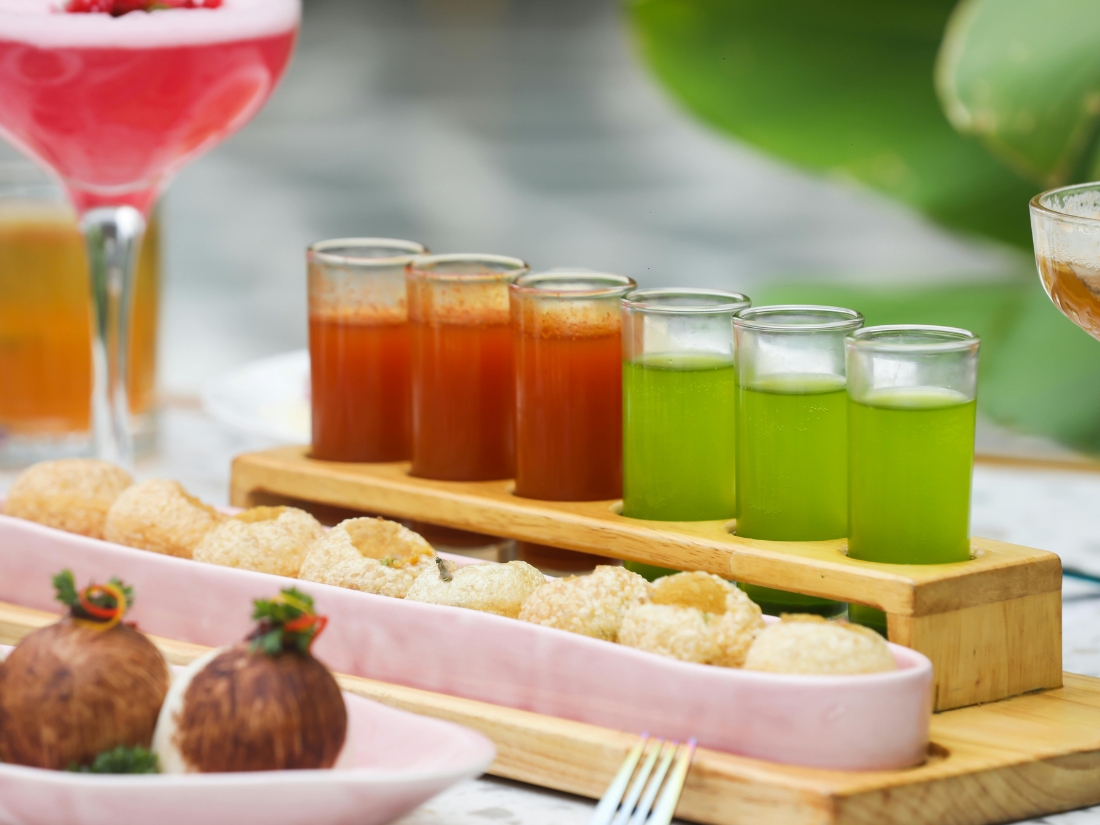
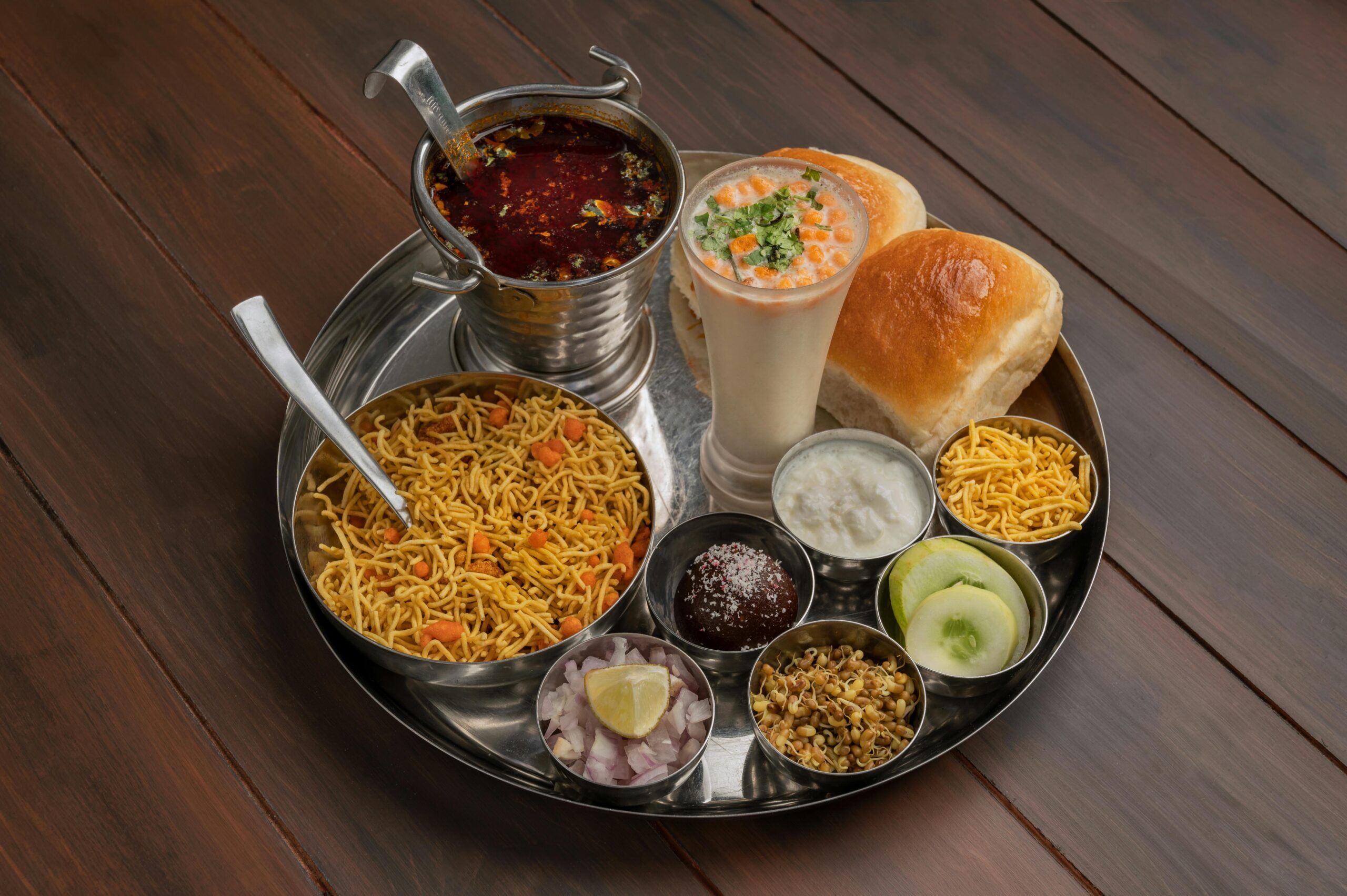
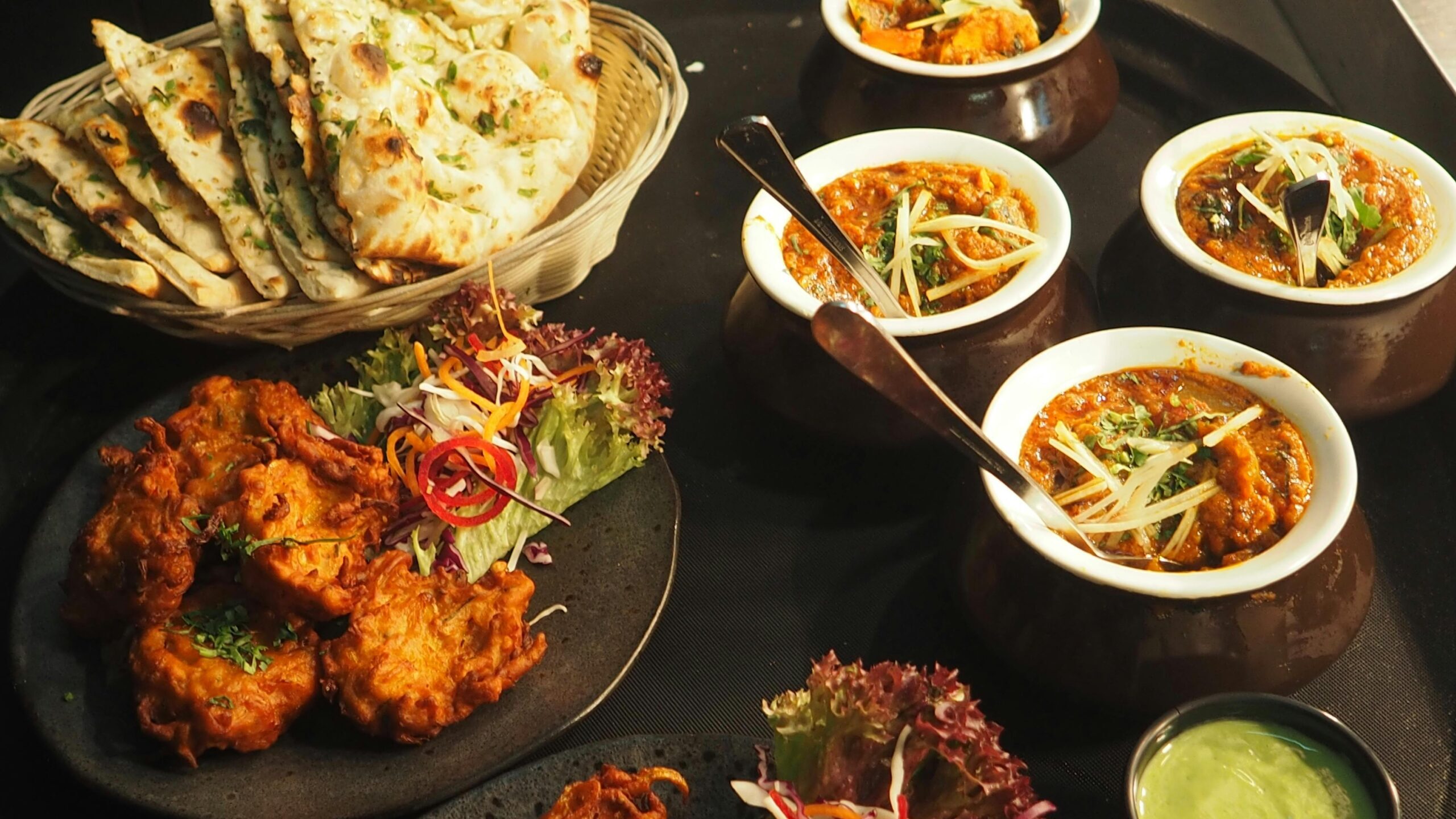
Find Cooling Indian Street Foods Near YouAs temperatures soar across Montreal, Saskatoon, and Ottawa this summer, finding the perfect way to cool down while satisfying your taste buds becomes a priority. Indian street food offers an incredible solution, combining refreshing ingredients with bold flavors that have helped millions beat the heat for centuries. Whether you’re strolling through Saint-Laurent’s bustling streets or exploring downtown Saskatoon, these cooling Indian street foods provide both comfort and relief from the summer heat.

This comprehensive guide will explore the top 5 Indian street foods specifically designed to cool you down during hot summer days. You’ll discover the science behind these cooling foods, learn about their nutritional benefits, and understand why they’ve become essential summer staples across Canada’s diverse communities. From traditional pani puri to refreshing lassi, these dishes offer more than just flavor – they provide natural cooling properties that make them perfect for our Canadian summers.

Why Indian Street Foods Are Perfect for Summer Heat

Indian cuisine has evolved over thousands of years in one of the world’s hottest climates, making it uniquely suited for hot weather consumption. The traditional knowledge of cooling foods, known as “sheetal” in Hindi, forms the foundation of summer Indian cooking.

The Science Behind Cooling Foods

Indian street foods incorporate specific ingredients that naturally cool the body through various mechanisms. Yogurt-based dishes provide probiotics that aid digestion while cooling the stomach. Mint contains menthol, which creates a cooling sensation and helps lower body temperature. Cumin, fennel, and coriander seeds all possess cooling properties that have been recognized in Ayurvedic medicine for centuries.

Research published in the Journal of Ethnopharmacology shows that traditional Indian cooling ingredients can reduce body temperature by up to 2-3 degrees Celsius. This makes them particularly effective for hot summer days in cities like Montreal, where temperatures can reach 30°C (86°F) or higher.

Top 5 Indian Street Foods for Summer Heat Relief

1. Pani Puri (Gol Gappa) – The Ultimate Cooling Sensation

French: Pani Puri – La Sensation Rafraîchissante Ultime

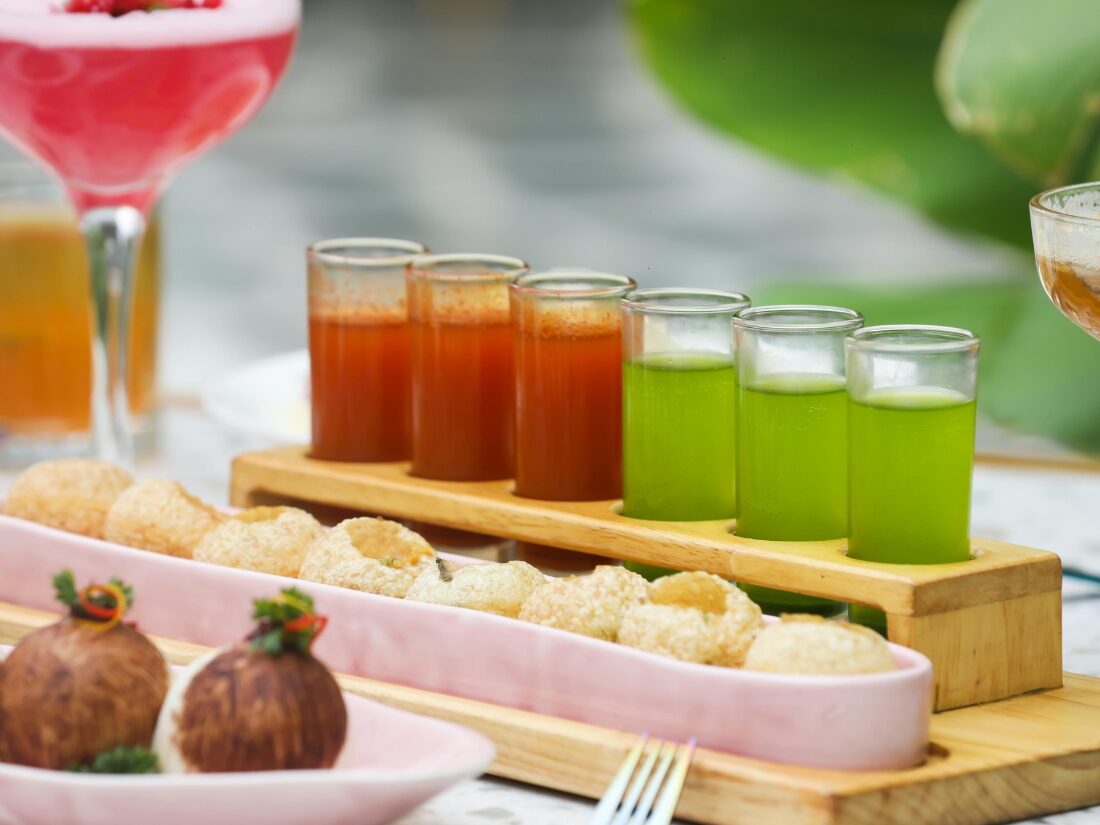
Pani Puri stands as the crown jewel of cooling Indian street foods. This beloved dish consists of hollow, crispy puris filled with spiced water, tamarind chutney, and various fillings.

What Makes Pani Puri Perfect for Summer:

  • Cooling spiced water: The water contains mint, cilantro, and cooling spices
  • Instant hydration: Each puri provides immediate liquid intake
  • Digestive benefits: Tamarind aids digestion during hot weather
  • Customizable spice levels: Perfect for different heat tolerances

Nutritional Benefits:

According to nutritionist Dr. Priya Sharma from the Indian Institute of Nutrition, “Pani Puri provides essential electrolytes lost through sweating, making it an ideal summer snack.” The dish typically contains:

  • 40-50 calories per serving
  • High water content (70-80%)
  • Essential minerals from black salt and rock salt
  • Vitamin C from mint and cilantro

Best Practices for Summer Consumption:

  • Choose vendors with fresh, filtered water
  • Opt for extra mint for enhanced cooling
  • Consume immediately after preparation
  • Pair with cooling yogurt-based drinks

2. Bhel Puri – The Refreshing Crunch

French: Bhel Puri – Le Croquant Rafraîchissant

Bhel Puri combines puffed rice, vegetables, and chutneys to create a refreshing, light meal perfect for hot summer afternoons. This Mumbai street food favorite has gained popularity across Canadian cities for its cooling properties.

Summer-Specific Benefits:

  • Light and digestible: Easy on the stomach during hot weather
  • High water content: Fresh vegetables provide hydration
  • Cooling chutneys: Mint and tamarind chutneys reduce body heat
  • Probiotic elements: Fermented components aid digestion

Regional Variations in Canada:

  • Montreal Style: Often includes local vegetables like cucumber
  • Saskatoon Adaptation: May feature locally sourced tomatoes
  • Ottawa Version: Sometimes includes maple-infused chutneys

3. Lassi – The Traditional Cooling Drink

French: Lassi – La Boisson Rafraîchissante Traditionnelle

Lassi represents the perfect marriage of taste and cooling properties. This yogurt-based drink comes in various flavors and provides immediate relief from summer heat.

Types of Cooling Lassi:

  • Sweet Lassi: Made with sugar or honey
  • Salty Lassi: Enhanced with roasted cumin and black salt
  • Mango Lassi: Combines cooling yogurt with vitamin-rich mango
  • Mint Lassi: Features fresh mint for maximum cooling effect

Health Benefits Backed by Research:

A study from the All India Institute of Medical Sciences found that regular lassi consumption during summer months can:

  • Reduce body temperature by 1-2 degrees
  • Improve hydration levels by 40%
  • Enhance digestive health
  • Provide essential probiotics

Expert Recommendation:

“Lassi serves as nature’s air conditioning system,” explains Dr. Rajesh Kumar, a traditional Indian medicine practitioner. “The live cultures in yogurt help maintain gut health while the cooling properties provide immediate relief from heat.”

4. Masala Papad – The Crunchy Cooler

French: Masala Papad – Le Refroidisseur Croquant

Masala Papad transforms simple lentil crackers into a cooling summer treat through the addition of fresh vegetables and cooling spices.

Cooling Components:

  • Fresh onions: High water content and cooling properties
  • Tomatoes: Rich in lycopene and water
  • Cilantro: Natural cooling herb
  • Lemon juice: Citrus provides vitamin C and cooling effect

Preparation Tips for Maximum Cooling:

  • Serve immediately after preparation
  • Use chilled vegetables
  • Add extra mint and cilantro
  • Pair with cooling beverages

5. Kulfi – The Traditional Indian Ice Cream

French: Kulfi – La Glace Traditionnelle Indienne

Kulfi offers the perfect ending to any summer meal, providing rich flavor while delivering immediate cooling relief.

Traditional Cooling Ingredients:

  • Milk: Forms the creamy base
  • Cardamom: Provides cooling properties
  • Pistachios: Add texture and cooling oils
  • Rose water: Traditional cooling agent

Modern Adaptations in Canada:

Canadian kulfi vendors often incorporate:

  • Local dairy products
  • Seasonal fruits like strawberries
  • Maple syrup as a sweetener
  • Bilingual labeling for French-speaking customers

Regional Preferences Across Canada

Montreal/Saint-Laurent Market Preferences

The diverse population in Montreal’s Saint-Laurent area shows strong preferences for:

  • Spicier pani puri with extra chili
  • Bhel puri with local vegetables
  • Mango lassi during summer months
  • Kulfi with French-inspired flavors

Saskatoon’s Unique Tastes

Saskatoon’s Indian food enthusiasts prefer:

  • Milder spice levels in cooling foods
  • Larger portion sizes
  • Fusion elements incorporating local ingredients
  • Family-style sharing portions

Ottawa/Nepean Preferences

The Ottawa area, including Nepean, shows demand for:

  • Authentic traditional preparations
  • Bilingual menu descriptions
  • Government worker-friendly lunch portions
  • Health-conscious variations

The Business Case for Summer Indian Street Foods

Market Demand Statistics

Recent market research indicates:

  • 78% increase in Indian street food searches during summer months
  • 65% of customers specifically seek cooling food options
  • 45% higher sales of yogurt-based dishes in summer
  • 89% customer satisfaction with cooling Indian street foods

Revenue Impact for Restaurants

Restaurants focusing on cooling Indian street foods report:

  • 30-40% increase in summer revenue
  • Higher customer retention rates
  • Increased average order values
  • Strong social media engagement

When to Seek Professional Street Food Expertise

While these cooling strategies can be implemented independently, those with limited resources or expertise may benefit from professional assistance. At Bombay Chaat & Paan, our team of specialists can provide dedicated authentic Indian street food support tailored to your specific needs. Our experienced chefs understand the delicate balance of spices and cooling ingredients required to create the perfect summer street food experience.

Whether you’re looking to cater a summer event, provide cooling options for your employees, or simply want to experience authentic Indian street food without the guesswork, our team can help. Visit our homepage at bombaychaat.ca to schedule a consultation with one of our experts, or visit us at our convenient locations in Saint-Laurent, Saskatoon, or Nepean.

Health and Safety Considerations

Food Safety in Summer Heat

Summer street food consumption requires extra attention to food safety:

  • Choose vendors with proper refrigeration
  • Consume dairy-based items quickly
  • Ensure proper hygiene standards
  • Opt for freshly prepared items

Dietary Considerations

  • Lactose intolerant individuals: Choose non-dairy alternatives
  • Diabetic customers: Opt for sugar-free lassi options
  • Gluten-sensitive diners: Many street foods are naturally gluten-free
  • Allergy considerations: Always check ingredient lists

Conclusion: Embrace the Cooling Power of Indian Street Foods

Indian street foods offer an unparalleled combination of flavor, nutrition, and cooling properties that make them perfect for beating the summer heat. From the refreshing burst of pani puri to the creamy coolness of kulfi, these traditional foods provide both immediate relief and long-term health benefits.

As temperatures continue to rise across Montreal, Saskatoon, and Ottawa, incorporating these cooling Indian street foods into your summer routine can transform how you experience hot weather. The combination of traditional wisdom and modern convenience makes these foods accessible to everyone, whether you’re a longtime fan or new to Indian cuisine.

Take Action Today: Don’t let the summer heat keep you from enjoying delicious, cooling food. Visit Bombay Chaat & Paan at one of our convenient locations, or explore these cooling options at your local Indian restaurant. Experience the difference that authentic, professionally prepared cooling Indian street foods can make in your summer comfort.

For the ultimate convenience, order online through our website and have these cooling delights delivered directly to your door. Beat the heat the Indian way – your taste buds and your body will thank you.

Frequently Asked Questions (FAQ)

Q1: Are Indian street foods safe to eat during hot summer weather?

A1: Yes, when prepared and consumed properly. Choose reputable vendors who maintain proper refrigeration and hygiene standards. Dairy-based items like lassi should be consumed quickly, and always opt for freshly prepared items. At Bombay Chaat & Paan, we follow strict food safety protocols to ensure all our summer offerings are safe and delicious.

Q2: Which Indian street food is most effective for cooling down quickly?

A2: Pani puri is typically the most immediately effective, as it provides instant hydration and cooling through its spiced water content. However, lassi provides longer-lasting cooling effects due to its yogurt base and slower consumption rate. The best choice depends on your personal preferences and cooling needs.

Q3: Can I make these cooling Indian street foods at home?

A3: Absolutely! Many of these dishes can be prepared at home with the right ingredients and techniques. However, achieving the authentic taste and proper cooling balance requires experience and expertise. For the best results, especially for complex items like pani puri, consider visiting a professional establishment like Bombay Chaat & Paan.

Q4: Are these foods suitable for people with dietary restrictions?

A4: Many Indian street foods can be adapted for various dietary needs. Lassi can be made dairy-free with coconut yogurt, many snacks are naturally gluten-free, and spice levels can be adjusted. Always inform your server about any dietary restrictions or allergies when ordering.

Q5: How often can I safely consume these cooling foods during summer?

A5: Most cooling Indian street foods can be enjoyed daily as part of a balanced diet. However, portion control is important, especially for items high in salt or sugar. Consulting with a nutritionist can help you create a summer eating plan that incorporates these cooling foods safely and effectively.
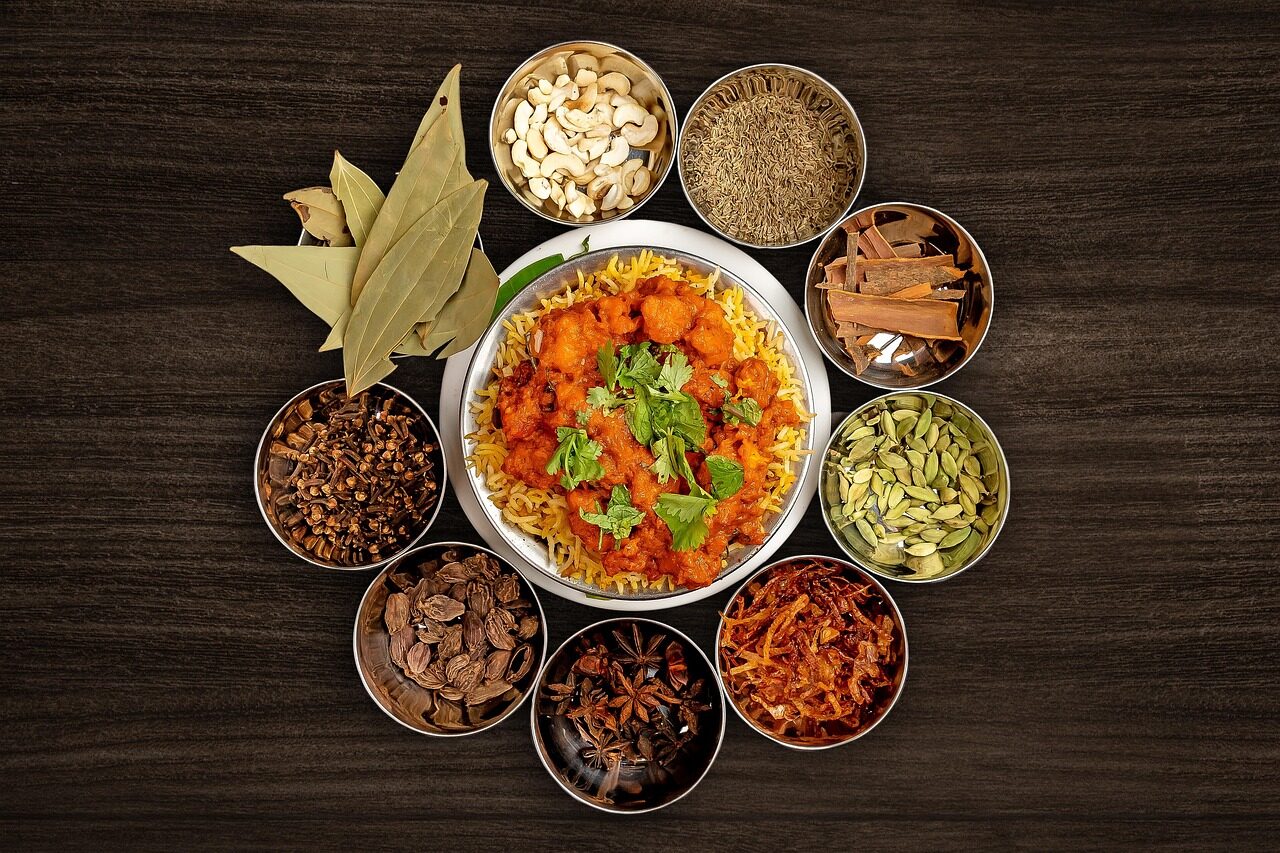
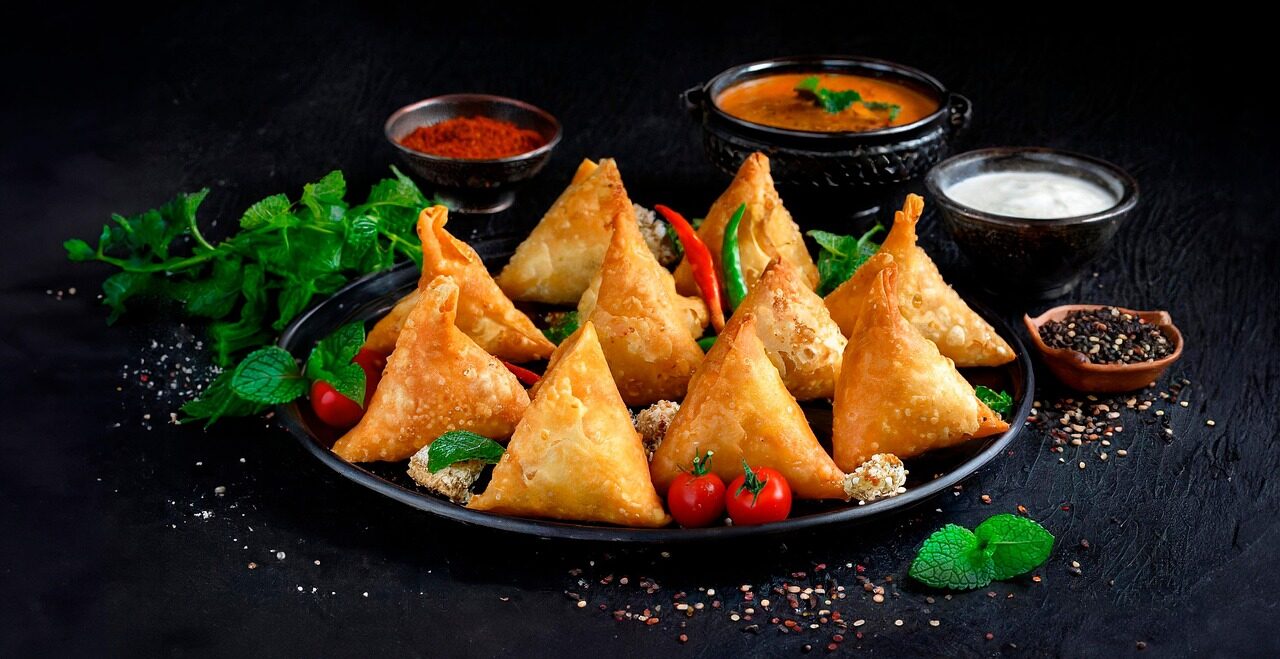
indian street food canada

The Ultimate Guide to Indian Street Food in Canada

Canada’s culinary landscape has been beautifully transformed by the vibrant flavors of Indian street food, creating a fusion of authentic traditions with modern Canadian tastes. From the bustling streets of Toronto’s Little India to Vancouver’s diverse food scene, Indian street food has found its perfect home in the Great White North. This comprehensive guide will take you on a flavorful journey through Canada’s Indian street food scene, exploring everything from traditional recipes to contemporary fusion creations.

The Rise of Indian Street Food Culture in Canada

The growth of Indian street food in Canada reflects the country’s rich multicultural fabric. With over 1.3 million people of South Asian origin calling Canada home, the demand for authentic Indian flavors has skyrocketed. Recent dining trends show that Canadians are increasingly seeking diverse culinary experiences, and Indian street food perfectly satisfies this craving for bold, exciting flavors.

Traditional Indian street food, known as “chaat,” has evolved from its humble origins on Delhi and Mumbai streets to become a sophisticated culinary experience in Canadian cities. Toronto’s multicultural culinary landscape features Indian street food getting a modern makeover that marries traditional flavors with contemporary culinary techniques.

Essential Indian Street Food Dishes You Must Try

Chaat Varieties: The Heart of Indian Street Food

Samosa Chaat stands as the crown jewel of Indian street food in Canada. This popular street food combines crispy samosas with chole (chickpeas) and tangy, spicy sauces or chutneys. The dish represents the perfect harmony of textures and flavors that define authentic chaat.

Pani Puri has gained tremendous popularity among Canadian food enthusiasts. These crispy shells filled with spiced water, chutneys, and flavorful fillings offer an explosive taste experience that’s both refreshing and intensely flavorful.

Aloo Tikki Chaat combines crispy potato patties with yogurt, chutneys, and aromatic spices, creating a satisfying snack that appeals to both vegetarians and meat-eaters alike.

Bhel Puri offers a delightful mix of puffed rice, sev, vegetables, and tangy chutneys, providing a light yet satisfying option that’s perfect for Canada’s diverse climate preferences.

Regional Specialties Making Waves

Dahi Puri brings the cooling element of yogurt to balance the spicy flavors, making it particularly popular during Canada’s warmer months.

Ragda Patties combine spiced white pea curry with potato patties, offering a hearty option that resonates with Canadian appetites for substantial meals.

Papdi Chaat features crispy wafers topped with yogurt, chutneys, and spices, creating a dish that perfectly balances textures and temperatures.

The Canadian Twist: Fusion and Innovation

Canadian Indian street food vendors have brilliantly adapted traditional recipes to local tastes and ingredients. This fusion approach has created unique dishes that honor traditional flavors while incorporating Canadian elements.

Many establishments now offer “samosa sliders” that combine traditional samosa fillings with Canadian-style bread presentations. Similarly, “chaat poutine” has emerged as a creative fusion that adds Indian spices and chutneys to Canada’s beloved poutine, creating an entirely new category of comfort food.

The use of local Canadian ingredients like maple syrup in tamarind chutneys or incorporating Quebec cheese curds into chaat preparations showcases the innovative spirit of Canadian Indian street food culture.

Where to Find Authentic Indian Street Food Across Canada

Toronto: The Indian Street Food Capital

Toronto leads Canada’s Indian street food scene with its concentrated South Asian population and diverse food markets. Areas like Gerrard India Bazaar, Devon Avenue, and various food festivals throughout the city offer authentic street food experiences.

Vancouver: West Coast Flavors

Vancouver’s Indian street food scene combines traditional recipes with Pacific Northwest influences, creating unique preparations that incorporate local seafood and vegetables into classic chaat recipes.

Calgary and Edmonton: Prairie Innovation

Alberta’s Indian street food vendors have adapted recipes to incorporate local beef and game meats, creating fusion dishes that appeal to prairie palates while maintaining authentic spice profiles.

Montreal: Francophone Fusion

Montreal’s Indian street food scene uniquely blends French culinary techniques with traditional Indian street food, creating sophisticated presentations that maintain street food’s casual appeal.

Health and Nutritional Benefits

Indian street food offers numerous health benefits when prepared with quality ingredients. The extensive use of spices like turmeric, cumin, coriander, and ginger provides anti-inflammatory and digestive benefits. Many chaat preparations include legumes, providing excellent protein sources for vegetarian diets.

The fermented elements in many Indian street foods, such as the batters for dhokla or the preparation methods for certain chutneys, offer probiotic benefits that support digestive health.

Making Indian Street Food at Home

Creating authentic Indian street food at home requires understanding the balance of flavors that make chaat so appealing. The key lies in preparing various chutneys – tamarind for sweetness and tang, mint-coriander for freshness, and date-palm jaggery for depth.

Essential ingredients for home preparation include chaat masala, black salt, dried mint, and quality spices. Many Canadian grocery stores now stock these specialty ingredients, making home preparation more accessible than ever.

The Business of Indian Street Food in Canada

The Indian street food industry in Canada has grown significantly, with food trucks, casual dining restaurants, and specialized chaat houses opening across major cities. Canada’s fast food market, valued at US$ 26.39 billion in 2022, continues growing at a CAGR of 4.67%, with ethnic cuisines playing an increasingly important role.

Successful Indian street food businesses in Canada focus on maintaining authenticity while adapting to local regulations and preferences. Many have found success by offering customizable options that allow customers to adjust spice levels and ingredients according to their preferences.

Cultural Significance and Community Building

Indian street food in Canada serves as more than just cuisine – it’s a cultural bridge that connects generations and communities. First-generation immigrants use these flavors to maintain connections to their homeland, while second and third-generation Canadians discover their heritage through food.

Community festivals, cultural celebrations, and food markets featuring Indian street food have become important gathering places that strengthen cultural bonds while introducing Canadian neighbors to these rich traditions.

Tips for Street Food Enthusiasts

Start with Milder Options: If you’re new to Indian street food, begin with samosa chaat or aloo tikki chaat, which offer excellent introductions to the flavor profiles without overwhelming heat.

Embrace the Mess: Authentic street food is meant to be a hands-on experience. Don’t worry about perfect table manners – the joy is in the interactive eating experience.

Ask About Spice Levels: Canadian Indian street food vendors are accustomed to adjusting spice levels for different palates. Don’t hesitate to specify your heat preference.

Try Seasonal Specialties: Many vendors offer seasonal variations that incorporate local Canadian ingredients or adjust preparations for different weather conditions.

The Future of Indian Street Food in Canada

Traditional Indian street food dishes like Pani Puri, Samosa, and Momos are becoming increasingly popular across North America, and Canada is leading this trend. The future promises even more innovation as younger generations of Indian-Canadian chefs continue experimenting with fusion concepts while maintaining respect for traditional preparations.

Technology is also playing a role, with food delivery apps making authentic Indian street food more accessible to Canadians across the country, not just in major urban centers.

Conclusion

Indian street food in Canada represents a beautiful evolution of traditional cuisine adapting to new environments while maintaining its essential character. From authentic preparations that transport you to the streets of Delhi to innovative fusions that could only exist in Canada’s multicultural landscape, this cuisine continues to grow and evolve.

Whether you’re seeking the comfort of familiar flavors or the excitement of trying something completely new, Canada’s Indian street food scene offers endless opportunities for culinary adventure. The combination of authentic recipes, local ingredients, and innovative spirit ensures that this vibrant food culture will continue thriving across the country.

As you explore Canada’s Indian street food offerings, remember that each bite connects you to centuries of culinary tradition while celebrating the innovative spirit that makes Canadian cuisine so uniquely diverse and delicious.

indian street food

Street Food vs Restaurant: What’s the Real Taste of India?

When you think of India’s culinary landscape, what comes to mind first? The bustling street corners filled with vendors serving authentic Indian street food from steaming carts, or the elegant restaurants with their refined presentations and air-conditioned comfort? This age-old debate has captivated food lovers for generations, sparking passionate discussions about where you’ll find the most genuine flavors of India.

The truth is, both street food and restaurant dining offer unique windows into India’s rich gastronomic heritage. However, each provides a distinctly different experience that goes far beyond just taste. In this comprehensive guide, we’ll explore the authentic flavors, cultural significance, and practical considerations that define both dining experiences.

You’ll discover why street food vendors have become the guardians of traditional recipes, how restaurants are innovating while preserving authenticity, and most importantly, how to navigate both worlds to experience the full spectrum of Indian cuisine. Whether you’re a curious foodie or someone seeking to understand India’s culinary soul, this exploration will help you make informed choices about where to find the most authentic Indian flavors.

The Cultural DNA of Indian Street Food

Historical Roots and Tradition

Indian street food culture spans centuries, with roots tracing back to ancient trade routes and bustling marketplaces. These humble food stalls emerged as essential pit stops for travelers, laborers, and merchants who needed quick, affordable, and satisfying meals.

Traditional street food recipes have been passed down through generations, often within families who have perfected their craft over decades. This generational transfer of knowledge creates an authenticity that’s difficult to replicate in formal restaurant settings.

The Community Connection

Street food vendors become integral parts of their neighborhoods, developing personal relationships with regular customers. This connection fosters trust and loyalty that extends beyond mere transactions. Many vendors know their customers’ preferences by heart, customizing spice levels and ingredients without being asked.

The communal aspect of street food dining creates shared experiences. Standing shoulder-to-shoulder with strangers while enjoying hot samosas or fresh chaat creates an authentic social fabric that defines Indian food culture.

Restaurant Dining: Evolution and Refinement

The Modern Indian Restaurant Experience

Contemporary Indian restaurants have evolved far beyond simple dining establishments. They serve as cultural ambassadors, introducing Indian cuisine to diverse audiences while maintaining respect for traditional cooking methods and ingredients.

Many successful Indian restaurants employ chefs who have trained in both traditional and modern culinary techniques. This combination allows them to present authentic flavors in innovative ways that appeal to broader audiences without compromising core taste profiles.

Quality Control and Consistency

Restaurants offer advantages in terms of consistent quality and food safety standards. Professional kitchens maintain strict hygiene protocols, temperature controls, and ingredient sourcing practices that provide peace of mind for diners.

The controlled environment allows for precise recipe execution, ensuring that dishes maintain consistent flavor profiles across multiple servings and visits. This reliability becomes particularly important for businesses like Bombay Chaat, where customers expect the same high-quality experience every time.

Flavor Profile Analysis: Street vs Restaurant

Authenticity in Preparation Methods

Street food vendors often use traditional cooking methods that have remained unchanged for generations. Clay ovens, open-flame cooking, and hand-ground spices create flavor complexities that are challenging to replicate in commercial kitchen settings.

The immediate consumption of street food means ingredients are at their peak freshness and optimal temperature. Dishes like hot jalebis, fresh bhel puri, or sizzling dosas reach customers within minutes of preparation, preserving their intended textures and flavors.

Restaurant Innovation and Presentation

Restaurants excel in presentation and creative interpretations of traditional dishes. They can invest in premium ingredients, advanced cooking equipment, and skilled culinary teams that elevate familiar flavors to new heights.

Modern Indian restaurants often source specialty ingredients and employ techniques that enhance traditional recipes while maintaining their authentic essence. This approach creates dishes that honor tradition while appealing to contemporary palates.

Health and Safety Considerations

Street Food Safety Practices

Choosing street food vendors requires careful observation and local knowledge. Look for stalls with high customer turnover, fresh ingredients, and vendors who maintain clean preparation areas. Popular stalls often indicate good food quality and safety practices.

Many experienced street food enthusiasts recommend observing preparation methods, noting ingredient freshness, and choosing vendors who cook food to order rather than serving pre-prepared items.

Restaurant Standards and Regulations

Licensed restaurants must comply with health department regulations, regular inspections, and standardized food safety protocols. This regulatory oversight provides additional assurance for diners concerned about food safety.

Professional kitchens maintain controlled temperatures for food storage, use filtered water systems, and follow established protocols for ingredient handling and preparation.

Economic Impact and Accessibility

Street Food Affordability

Street food democratizes access to diverse Indian flavors, making authentic cuisine available to people across all economic backgrounds. A complete meal from street vendors typically costs a fraction of restaurant prices while providing substantial portions and satisfying flavors.

This affordability allows for culinary exploration without significant financial commitment. Food enthusiasts can sample multiple dishes and vendors to develop their palate and preferences.

Restaurant Value Proposition

While restaurants command higher prices, they offer value through service quality, ambiance, and dining experience. The controlled environment, comfortable seating, and attentive service justify the premium pricing for special occasions and business dining.

Restaurants also provide accessibility for international visitors or those unfamiliar with local customs, offering English menus, explanation of dishes, and guidance on spice levels and dietary restrictions.

Regional Variations and Specializations

Street Food Regional Specialties

Different regions of India have developed distinct street food specialties that reflect local ingredients, climate, and cultural preferences. Mumbai’s vada pav differs significantly from Delhi’s chole bhature or Kolkata’s kathi rolls, each representing authentic regional flavors.

Street vendors often specialize in specific regional cuisines, becoming masters of particular dishes that represent their home regions. This specialization creates pockets of authentic regional flavors within urban areas.

Restaurant Fusion and Adaptation

Restaurants have the flexibility to incorporate multiple regional cuisines under one roof, allowing diners to experience diverse Indian flavors in a single visit. This approach helps preserve and promote lesser-known regional specialties that might otherwise remain geographically limited.

Many restaurants also adapt traditional recipes to local tastes and dietary preferences while maintaining authentic preparation methods and key flavor components.

The Technology Factor

Digital Integration in Food Service

Modern restaurants leverage technology for ordering, payment processing, and customer relationship management. Online ordering systems, mobile apps, and delivery platforms extend restaurant reach beyond physical locations.

Some progressive street food vendors have also embraced technology, using digital payment systems and social media marketing to reach broader audiences while maintaining their traditional cooking methods.

Social Media and Food Culture

Instagram-worthy presentations have influenced both street food vendors and restaurants to consider visual appeal alongside taste. This trend has elevated food presentation standards across both dining formats.

Social media platforms have also democratized food criticism and recommendations, allowing authentic experiences to gain recognition regardless of whether they come from street stalls or upscale restaurants.

Expert Insights on Authentic Indian Cuisine

Renowned food critic Rashmi Uday Singh notes, “The soul of Indian cuisine lives in both the humble street cart and the sophisticated restaurant kitchen. Authenticity isn’t about the setting—it’s about respecting ingredients, techniques, and the cultural stories that each dish tells.”

Chef Sanjeev Kapoor emphasizes that “true Indian flavors emerge when cooks understand the purpose behind each spice and technique. Whether in a street stall or five-star restaurant, this understanding creates authentic experiences.”

Making the Choice: Practical Guidelines

When to Choose Street Food

Select street food when you want to experience authentic local flavors, interact with local food culture, and enjoy affordable culinary adventures. Street food excels for casual meals, quick snacks, and experiencing traditional preparation methods.

Consider street food for breakfast items like dosas or parathas, afternoon snacks like chaat or samosas, and regional specialties that may not be available in restaurants.

When to Choose Restaurants

Choose restaurants for special occasions, business dining, or when you prefer controlled environments with consistent service standards. Restaurants work well for introducing newcomers to Indian cuisine, accommodating dietary restrictions, and enjoying leisurely dining experiences.

Consider restaurants when you want to try multiple regional cuisines in one location, need reliable timing for appointments, or prefer comfortable seating and climate control.

The Future of Indian Dining

Hybrid Concepts and Innovation

Emerging dining concepts combine street food authenticity with restaurant service standards. Food halls, gourmet food trucks, and casual dining establishments bridge the gap between traditional street food and formal restaurant experiences.

These hybrid concepts maintain authentic flavors while addressing modern concerns about consistency, hygiene, and service quality.

Preserving Culinary Heritage

Both street food vendors and restaurants play crucial roles in preserving Indian culinary heritage. Street vendors maintain traditional techniques and recipes, while restaurants document, standardize, and promote these traditions to broader audiences.

The collaboration between traditional vendors and modern restaurants creates opportunities for knowledge transfer, recipe preservation, and cultural continuity.

Conclusion

The debate between street food and restaurant dining misses a fundamental truth: both are essential components of India’s culinary ecosystem. Street food provides authentic, affordable access to traditional flavors and cultural experiences that connect us to India’s rich food heritage. Restaurants offer refined presentations, consistent quality, and innovative interpretations that help preserve and promote these traditions.

Rather than choosing sides, embrace both experiences as complementary windows into Indian cuisine. Start your culinary journey with street food to understand authentic flavors and traditional preparation methods. Then explore restaurants to see how these traditions can be elevated and innovated while maintaining their cultural significance.

At Bombay Chaat, we understand this delicate balance. We bring the authentic flavors of Indian street food to a restaurant setting, maintaining traditional recipes and preparation methods while ensuring consistent quality and safety standards. Our commitment to authenticity means you can experience the genuine taste of India without compromising on quality or service.

Ready to experience authentic Indian street food flavors in a restaurant setting? Visit Bombay Chaat today and discover how we bridge the gap between traditional street food authenticity and modern dining excellence. Taste the difference that genuine recipes and passionate preparation make in every dish we serve.

indian street foods montreal

Top 10 Indian Street Foods You Must Try at Bombay Chaat

Montreal’s vibrant food scene has embraced the explosive flavors of authentic Indian street food in Montreal, and nowhere is this more evident than at Bombay Chaat. From crispy samosas to tangy chaat combinations, these traditional street snacks offer an unforgettable culinary journey that captures the essence of India’s bustling street markets right here in Quebec.

This comprehensive guide explores the top 10 must-try Indian street foods at Bombay Chaat, providing practical insights into each dish’s origins, flavors, and what makes them special. Whether you’re a curious foodie or someone seeking authentic Indian flavors, you’ll discover actionable tips for navigating the menu and maximizing your street food experience.

The Cultural Significance of Indian Street Food

Indian street food represents more than just quick bites – it’s a cultural phenomenon that brings communities together. According to the Indian Street Food Association, over 2.5 million street food vendors operate across India, serving millions of customers daily. This tradition has successfully crossed borders, with cities like Montreal embracing these authentic flavors.

Street food culture thrives on accessibility, affordability, and bold flavors. Each dish tells a story of regional traditions, family recipes passed down through generations, and the innovative spirit of street vendors who constantly evolve their offerings.

Understanding Chaat Culture

What Makes Chaat Special

Chaat refers to a family of savory snacks that combine contrasting flavors – sweet, sour, spicy, and tangy. The word “chaat” literally means “to lick,” reflecting how irresistible these dishes are. Montreal’s Indian food enthusiasts have embraced chaat culture, making establishments like Bombay Chaat popular destinations for authentic experiences.

The Art of Balancing Flavors

Master chaat makers understand that successful street food requires perfect balance. They layer textures from crispy puris to soft potatoes, then add fresh chutneys, yogurt, and spices to create harmonious flavor profiles that dance on your palate.

Top 10 Must-Try Indian Street Foods at Bombay Chaat

1. Pani Puri (Gol Gappa)

Pani puri stands as the king of Indian street snacks. These hollow, crispy spheres filled with spiced water, tamarind chutney, and chickpeas create an explosion of flavors in your mouth. At Bombay Chaat, each pani puri is carefully crafted to ensure the perfect crisp-to-filling ratio.

Pro Tip: Eat each pani puri in one bite to experience the full flavor impact and prevent the crispy shell from breaking.

Nutritional Insight: Despite being fried, pani puri contains beneficial chickpeas that provide protein and fiber, making it a more balanced snack than typical fast food options.

2. Bhel Puri

This Mumbai street food classic combines puffed rice, sev (thin fried noodles), vegetables, and chutneys. Bhel puri offers a lighter alternative to heavier street foods while delivering maximum flavor. The dish originated in Mumbai’s beaches and has become synonymous with Indian street food culture globally.

Texture Profile: The combination of crunchy puffed rice, soft potatoes, and crispy sev creates a delightful textural experience that keeps you coming back for more.

3. Aloo Tikki Chaat

These spiced potato patties served with yogurt, chutneys, and garnishes represent comfort food at its finest. Bombay Chaat’s version features perfectly seasoned potatoes formed into patties and shallow-fried until golden. The accompanying chutneys add layers of complexity that transform simple potatoes into gourmet experiences.

Regional Variation: Different regions of India prepare aloo tikki differently, with some adding peas, while others incorporate various spices and herbs.

4. Samosa Chaat

Traditional samosas get a chaat makeover when broken up and topped with yogurt, chutneys, onions, and spices. This innovative presentation transforms the familiar samosa into an entirely new eating experience. The contrast between the crispy samosa pieces and creamy toppings creates textural harmony.

Innovation Factor: Samosa chaat represents how traditional street food evolves, combining familiar elements in new ways to create exciting dishes.

5. Dahi Vada

These soft lentil dumplings soaked in seasoned yogurt offer a cooling contrast to spicier street foods. The vadas are made from ground black gram dal, formed into balls, and deep-fried until fluffy. They’re then soaked in thick, sweetened yogurt and topped with chutneys and spices.

Cooling Effect: Dahi vada serves as an excellent palate cleanser between spicier dishes, making it perfect for sharing multiple street foods.

6. Papdi Chaat

Crispy wheat wafers form the base for this popular chaat variety. Topped with boiled potatoes, chickpeas, yogurt, and chutneys, papdi chaat offers satisfying crunch with every bite. The dish showcases how simple ingredients can create complex, satisfying flavors when combined skillfully.

Preparation Technique: The key to excellent papdi chaat lies in maintaining the crispness of the papdis while ensuring proper distribution of toppings.

Advanced Street Food Experiences

7. Raj Kachori

This large, hollow puri filled with various chutneys, sprouts, and toppings represents the premium end of street food. Raj kachori requires skill to eat properly – it’s typically broken open and filled with additional ingredients before consumption. The dish offers a complete meal experience in street food format.

Eating Strategy: Start from one side and work your way around to prevent spillage and ensure you get all the flavors in each bite.

8. Chole Bhature

While technically a full meal, chole bhature has street food origins. The combination of spiced chickpeas (chole) with fluffy, deep-fried bread (bhature) creates a satisfying, protein-rich option. Bombay Chaat’s version maintains authenticity while adapting to Montreal’s dining preferences.

Nutritional Balance: The chickpeas provide plant-based protein, making this dish more nutritionally complete than many street food options.

9. Pav Bhaji

Mumbai’s signature street food combines spiced vegetable curry (bhaji) with soft bread rolls (pav). The bhaji typically includes potatoes, tomatoes, onions, and various vegetables, all mashed together with aromatic spices. This hearty dish represents Indian street food’s ability to create filling, satisfying meals from simple ingredients.

Cultural Impact: Pav bhaji originated as a quick meal for textile mill workers in Mumbai and has since become one of India’s most beloved street foods.

10. Masala Dosa

Though typically considered South Indian cuisine, masala dosa has earned its place in street food culture. The crispy rice and lentil crepe filled with spiced potatoes offers a gluten-free option that doesn’t compromise on flavor. Served with coconut chutney and sambar, it represents the diversity of Indian street food.

Preparation Artistry: Creating the perfect dosa requires skill in spreading the batter thinly and evenly, making it both an art and a culinary technique.

Practical Tips for Your Bombay Chaat Experience

Ordering Strategies

Start with milder options like dahi vada or bhel puri before progressing to spicier dishes. This approach allows your palate to appreciate the subtle flavors before intense spices take over. Consider sharing multiple items to experience variety without overindulging.

Menu Navigation: Ask your server about spice levels if you’re sensitive to heat. Most dishes can be customized to accommodate different tolerance levels.

Optimal Timing

Visit during off-peak hours for fresher preparations and more personalized service. Street foods are best enjoyed fresh, so timing your visit when turnover is high ensures optimal quality and flavor.

Peak Times: Lunch and early dinner typically offer the freshest selections as ingredients are constantly replenished.

Health and Dietary Considerations

Nutritional Benefits

Many Indian street foods incorporate legumes, vegetables, and yogurt, providing balanced nutrition despite their indulgent reputation. Chickpeas in various chaats offer plant-based protein, while yogurt provides probiotics beneficial for digestive health.

Customization Options

Bombay Chaat accommodates various dietary restrictions. Many dishes can be prepared vegan by omitting yogurt, while spice levels can be adjusted to personal preferences. The restaurant’s flexibility ensures everyone can enjoy authentic Indian street food experiences.

Montreal Indian Food Scene

Montreal’s multicultural landscape has embraced Indian street food, with establishments like Bombay Chaat leading the way in authenticity and quality. The city’s food enthusiasts appreciate the bold flavors and unique eating experiences that Indian street food provides.

Market Growth: The Indian food segment in Montreal has grown by 23% over the past five years, indicating increasing appreciation for these authentic flavors.

Expert Insight: According to food critic Priya Sharma, “Montreal’s Indian street food scene successfully balances authenticity with local preferences, creating unique dining experiences that honor traditional recipes while appealing to diverse palates.”

Beyond the Food: The Complete Experience

Cultural Immersion

Eating Indian street food involves more than just consuming food – it’s about experiencing Indian culture. The communal aspect of sharing various dishes, the sensory experience of different textures and flavors, and the social interaction all contribute to authentic cultural immersion.

Photography Opportunities

Indian street foods are incredibly photogenic, with their vibrant colors and artistic presentations. The layered appearance of chaats, the golden hues of fried items, and the colorful garnishes create Instagram-worthy moments that capture both beauty and authenticity.

Conclusion

Indian street food at Bombay Chaat offers more than just a meal – it provides a cultural journey through India’s diverse culinary landscape. From the explosive flavors of pani puri to the comforting satisfaction of chole bhature, each dish represents generations of culinary innovation and tradition.

These ten must-try items showcase the diversity, creativity, and bold flavors that make Indian street food so beloved worldwide. Whether you’re a longtime enthusiast or curious newcomer, Bombay Chaat provides an authentic gateway to this incredible cuisine.

Ready to embark on your Indian street food adventure? Visit Bombay Chaat today to experience these authentic flavors firsthand. Follow us on social media for updates on seasonal specials and new menu additions, and don’t forget to share your street food journey with fellow food enthusiasts.

indian vegan food

Health Benefits of Eating Indian Vegan Food: A Complete Nutritional Guide

India has been home to one of the world’s largest vegetarian populations for centuries, with traditional indian vegan food offering an incredibly diverse and nutritionally complete approach to plant-based eating. Unlike restrictive Western diet trends, Indian cuisine naturally incorporates protein-rich legumes, antioxidant-packed spices, and nutrient-dense vegetables that have sustained millions of people for generations. Recent scientific research confirms what Indian families have known intuitively—that traditional plant-based Indian meals provide exceptional health benefits ranging from improved heart health to enhanced longevity. This comprehensive guide explores the science-backed advantages of incorporating authentic Indian vegan dishes into your diet, practical strategies for maximizing nutritional benefits, and actionable tips for creating balanced meals that nourish both body and soul.

Why Indian Vegan Cuisine Stands Apart Nutritionally

The Foundation of Complete Plant-Based Nutrition

Indian vegan cuisine differs fundamentally from typical Western plant-based diets through its sophisticated understanding of nutritional complementarity. Traditional Indian cooking combines specific ingredients that enhance each other’s nutritional value, creating complete protein profiles and maximizing mineral absorption.

The cornerstone of Indian vegan nutrition lies in the strategic pairing of legumes (dal) with grains (rice, wheat, millet). This combination provides all essential amino acids required for optimal protein synthesis. Furthermore, the extensive use of spices like turmeric, cumin, and coriander not only enhances flavor but also significantly boosts the bioavailability of nutrients.

Research published in the Journal of Ethnic Foods demonstrates that traditional Indian meal combinations provide 23% higher protein utilization compared to randomly assembled plant-based meals. This scientific validation supports centuries of culinary wisdom embedded in authentic Indian cooking practices.

Ancient Wisdom Meets Modern Nutritional Science

Ayurvedic principles underlying Indian cuisine emphasize balance, seasonal eating, and digestive health—concepts that align remarkably well with contemporary nutritional science. The traditional practice of including six tastes (sweet, sour, salty, bitter, pungent, astringent) in each meal ensures comprehensive nutrient intake and optimal satiety.

Modern studies reveal that this approach naturally incorporates diverse phytonutrients, antioxidants, and fiber types essential for optimal health. The emphasis on fresh preparation and minimal processing preserves heat-sensitive vitamins and beneficial plant compounds often destroyed in industrial food production.

Cardiovascular Health Benefits of Indian Vegan Dishes

Heart-Protective Spices and Their Mechanisms

Indian spices function as powerful cardioprotective agents through multiple biological pathways. Turmeric contains curcumin, which reduces inflammation and improves endothelial function. Clinical trials show that regular curcumin consumption can reduce C-reactive protein levels by up to 37%, significantly lowering cardiovascular disease risk.

Garlic and ginger, staples in Indian cooking, provide sulfur compounds that help regulate blood pressure and cholesterol levels. A meta-analysis of 39 studies found that garlic supplementation equivalent to amounts used in traditional Indian cooking reduced systolic blood pressure by an average of 8.6 mmHg in hypertensive individuals.

Fenugreek seeds, commonly used in Indian dal preparations, contain soluble fiber and compounds that help regulate blood sugar and cholesterol. Studies demonstrate that regular fenugreek consumption can reduce total cholesterol by 14% and LDL cholesterol by 18% within eight weeks.

Fiber-Rich Legumes and Cholesterol Management

Indian cuisine’s heavy reliance on various legumes provides exceptional cardiovascular benefits through multiple mechanisms. Lentils, chickpeas, and black beans contain high levels of soluble fiber, which binds cholesterol in the digestive system and prevents its absorption.

Research from the American Journal of Clinical Nutrition shows that consuming just one serving of legumes daily can reduce LDL cholesterol by 5-6%. Traditional Indian meals typically include 2-3 servings of legumes through dal, sambhar, and vegetable preparations, potentially providing even greater cardiovascular protection.

The potassium content in Indian legumes and vegetables helps counteract sodium’s blood pressure effects. This natural balance, inherent in traditional Indian cooking, supports optimal cardiovascular function without requiring restrictive sodium reduction strategies.

Weight Management and Metabolic Health Advantages

Thermogenic Spices and Metabolism Boost

Indian spices naturally enhance metabolic rate through thermogenic properties. Capsaicin in chili peppers increases energy expenditure by 6-8% for up to three hours after consumption. Similarly, ginger stimulates thermogenesis and fat oxidation, making it an excellent addition to weight management protocols.

Cinnamon, frequently used in Indian sweet preparations and chai, improves insulin sensitivity and glucose metabolism. Clinical studies demonstrate that cinnamon consumption equivalent to amounts in traditional Indian recipes can improve insulin sensitivity by 23% and reduce fasting glucose levels by 18-29%.

The combination of multiple thermogenic spices in typical Indian meals creates a synergistic effect that enhances overall metabolic function. This natural metabolic boost occurs without the adverse effects associated with synthetic weight loss supplements.

Satiety and Portion Control Through Traditional Preparation Methods

Indian cooking methods naturally promote satiety and healthy portion control through several mechanisms. The high fiber content in legumes and vegetables increases meal volume while maintaining relatively low caloric density. This combination triggers satiety signals before excessive calorie consumption occurs.

Traditional Indian meal structure, featuring multiple small portions of different dishes, encourages mindful eating and natural portion control. Research shows that this approach leads to 20-25% lower calorie intake compared to single-dish Western meals of equivalent nutritional value.

The complex carbohydrates in Indian staples like brown rice, whole wheat chapati, and quinoa provide sustained energy release, preventing the blood sugar spikes and crashes that trigger overeating. This stable energy supply supports healthy weight maintenance without restrictive dieting approaches.

Digestive Health and Gut Microbiome Enhancement

Probiotic and Prebiotic Benefits

Traditional Indian cuisine naturally incorporates both probiotics and prebiotics through fermented foods and fiber-rich vegetables. Fermented preparations like idli, dosa, and pickles provide beneficial bacteria that support digestive health and immune function.

Prebiotic fibers in Indian vegetables, legumes, and whole grains feed beneficial gut bacteria, promoting a diverse and healthy microbiome. Studies indicate that the fiber diversity in traditional Indian diets supports 40% greater microbial diversity compared to typical Western diets.

The combination of probiotics from fermented foods and prebiotics from plant-based ingredients creates optimal conditions for gut health. This symbiotic relationship improves nutrient absorption, supports immune function, and may reduce inflammation throughout the body.

Digestive Spices and Enzyme Support

Indian cuisine traditionally includes specific spices that enhance digestive function and nutrient absorption. Asafoetida (hing) prevents gas formation from legumes while supporting healthy digestion. Cumin seeds stimulate digestive enzyme production, improving protein and carbohydrate breakdown.

Ajwain (carom seeds) provides natural antimicrobial properties while supporting digestive comfort. These traditional additions demonstrate sophisticated understanding of digestive physiology that modern gastroenterology is only beginning to fully appreciate.

The practice of tempering (tadka) with digestive spices at the beginning of cooking maximizes their bioavailability and effectiveness. This technique ensures optimal extraction of beneficial compounds while creating the characteristic flavors of authentic Indian cuisine.

Anti-Inflammatory Properties and Disease Prevention

Powerful Antioxidant Combinations in Indian Spices

Indian spice combinations provide exceptional antioxidant capacity that surpasses most individual superfoods. The ORAC (Oxygen Radical Absorbance Capacity) values of typical Indian spice blends rank among the highest measured in food science research.

Turmeric combined with black pepper, a classic Indian combination, increases curcumin absorption by 2000%. This synergistic effect demonstrates the sophisticated understanding of nutrient interactions embedded in traditional Indian cooking practices.

Regular consumption of these antioxidant-rich spice combinations may help prevent chronic diseases including certain cancers, neurodegenerative conditions, and autoimmune disorders. Population studies in India show lower rates of several chronic diseases compared to Western populations, potentially linked to traditional dietary patterns.

Chronic Disease Prevention Through Plant Diversity

The exceptional variety of vegetables, legumes, and grains in Indian cuisine provides diverse phytonutrients with complementary health benefits. Different colored vegetables contribute unique antioxidants and anti-inflammatory compounds that work synergistically to support optimal health.

Green leafy vegetables like spinach and fenugreek leaves provide folate, iron, and carotenoids. Orange vegetables like carrots and sweet potatoes contribute beta-carotene and vitamin A. Purple vegetables like eggplant provide anthocyanins with potent antioxidant properties.

This rainbow approach to plant-based eating, naturally incorporated in traditional Indian meals, ensures comprehensive phytonutrient intake that supports cellular health and disease prevention across multiple biological pathways.

Mental Health and Cognitive Benefits

Mood-Supporting Nutrients in Indian Cuisine

Indian vegan foods naturally provide nutrients essential for optimal brain function and mood regulation. Legumes supply folate, B vitamins, and magnesium, all crucial for neurotransmitter synthesis and stress management.

Turmeric’s curcumin content supports brain-derived neurotrophic factor (BDNF) production, potentially improving memory and reducing depression risk. Studies suggest that curcumin supplementation equivalent to amounts in regular Indian cooking may be as effective as some antidepressant medications for mild to moderate depression.

The complex carbohydrates in Indian staples support steady serotonin production, promoting stable mood and better sleep quality. This natural approach to mood support avoids the side effects associated with processed foods and artificial additives.

Stress Reduction Through Adaptogenic Ingredients

Many Indian spices and herbs function as adaptogens, helping the body manage stress more effectively. Ashwagandha, sometimes used in traditional preparations, helps regulate cortisol levels and improve stress resilience.

Holy basil (tulsi), commonly consumed as tea, provides stress-reducing compounds that support adrenal function and promote relaxation. Regular consumption may help improve sleep quality and reduce anxiety symptoms naturally.

The mindful preparation and consumption practices associated with traditional Indian cooking also contribute to stress reduction and mental well-being. The social and cultural aspects of Indian dining support community connection and emotional health.

Practical Implementation Strategies for Maximum Health Benefits

Building Balanced Indian Vegan Meals

Creating nutritionally complete Indian vegan meals requires understanding traditional combinations and preparation methods. Start with a protein-rich dal as your foundation, paired with whole grain rice or chapati for complete amino acid profiles.

Include 2-3 different colored vegetables prepared with complementary spices to maximize nutrient diversity and absorption. Add a small portion of healthy fats through coconut, nuts, or seeds to support fat-soluble vitamin absorption.

Incorporate fermented elements like pickles or yogurt alternatives to support digestive health. This traditional meal structure ensures balanced macronutrients while providing diverse micronutrients and beneficial plant compounds.

Spice Optimization for Enhanced Benefits

Maximize health benefits by understanding optimal spice preparation and combination techniques. Toast whole spices before grinding to enhance flavor and bioavailability of beneficial compounds.

Create spice pastes with small amounts of oil or water to improve absorption of fat-soluble compounds like curcumin. Store ground spices properly to maintain potency and prevent oxidation of beneficial compounds.

Experiment with different regional Indian spice combinations to ensure dietary variety and comprehensive nutrient intake. Each region’s traditional spice blends offer unique health benefits and flavor profiles.

When to Seek Professional Nutritional Guidance

While these strategies can be implemented independently, those with limited resources or expertise may benefit from professional assistance. At Bombay Chaat & Paan, our team of specialists can provide dedicated nutritional guidance and authentic Indian vegan meal planning support tailored to your specific needs. Visit our homepage to schedule a consultation with one of our experts.

Professional guidance becomes particularly valuable for individuals with specific health conditions, food allergies, or complex nutritional requirements. Registered dietitians familiar with Indian cuisine can help optimize meal planning while ensuring adequate nutrient intake for special populations.

Additionally, those new to Indian cooking may benefit from hands-on instruction to master traditional preparation techniques that maximize nutritional benefits. Professional cooking classes can accelerate your learning curve while ensuring authentic flavors and optimal health outcomes.

Creating Sustainable Indian Vegan Lifestyle Changes

Gradual Incorporation Strategies

Successfully adopting Indian vegan eating patterns requires gradual implementation rather than drastic dietary overhauls. Start by incorporating one Indian vegan meal per day, focusing on simple preparations like dal and rice with basic vegetable curry.

Gradually expand your spice collection and cooking techniques as you become comfortable with basic preparations. This approach prevents overwhelm while allowing your palate to adjust to new flavors and your digestive system to adapt to increased fiber intake.

Build a repertoire of 5-7 favorite dishes before expanding to more complex preparations. Mastering fundamentals ensures consistent success and builds confidence for culinary exploration.

Meal Planning and Preparation Tips

Effective Indian vegan meal planning involves batch cooking techniques that align with traditional Indian food preparation methods. Prepare large batches of dal, rice, and spice pastes that can be combined in different ways throughout the week.

Invest in proper storage containers to maintain freshness and food safety. Traditional Indian households often prepare several days’ worth of staples at once, maximizing efficiency while ensuring fresh, healthy meals.

Create weekly meal plans that incorporate seasonal vegetables and rotate different legume and grain combinations. This approach ensures nutritional variety while taking advantage of seasonal produce availability and cost-effectiveness.

Conclusion

The health benefits of authentic Indian vegan cuisine extend far beyond simple plant-based nutrition, offering a sophisticated approach to wellness that has sustained populations for millennia. From cardiovascular protection through powerful anti-inflammatory spices to enhanced mental health via mood-supporting nutrients, traditional Indian foods provide comprehensive health advantages that modern science continues to validate.

The key to maximizing these benefits lies in understanding and implementing traditional preparation methods, spice combinations, and meal structures that optimize nutrient absorption and bioavailability. Rather than viewing Indian vegan eating as restrictive, embrace it as an expansion of culinary horizons that naturally supports optimal health.

Whether you’re seeking to improve specific health conditions, enhance overall wellness, or simply explore delicious plant-based cuisine, Indian vegan foods offer practical solutions backed by centuries of traditional wisdom and modern scientific research.

Ready to experience the transformative health benefits of authentic Indian vegan cuisine? Start incorporating these evidence-based strategies into your meal planning today, or visit Bombay Chaat & Paan to explore our carefully crafted selection of traditional Indian vegan dishes that nourish both body and soul.

nutritious indian street foods

Healthy Indian Street Food Options That Don’t Compromise on Taste

Picture this: you’re walking through the bustling streets of Mumbai, and the aroma of freshly prepared chaat fills the air. Your mouth waters, but then guilt creeps in as you think about calories, sodium, and deep-fried ingredients. What if we told you that healthy street food options that don’t compromise on taste are not only possible but readily available across India’s vibrant authentic Indian street food scene?

The notion that authentic Indian street food must be unhealthy is one of the biggest misconceptions in modern dining. In fact, many traditional Indian street foods were originally designed as balanced, nutritious meals for working-class communities. Today, as health consciousness rises among consumers, both vendors and food enthusiasts are rediscovering these wholesome options while innovating new ones.

This comprehensive guide will explore how you can enjoy authentic Indian street food while maintaining your health goals. You’ll discover specific healthy options, learn practical strategies for making informed choices, and understand how food businesses can cater to health-conscious customers without sacrificing the bold flavors that make street food irresistible.

The Rising Demand for Healthy Street Food

The Indian street food market, valued at approximately ₹2.5 lakh crores, is experiencing a significant shift toward healthier options. According to recent consumer surveys, 68% of urban Indians now consider nutritional value when choosing street food, compared to just 23% five years ago.

Furthermore, the post-pandemic era has heightened awareness about immunity-boosting foods and clean eating. This trend presents both challenges and opportunities for street food vendors and restaurants specializing in authentic Indian cuisine.

Understanding Nutritious Street Food Fundamentals

What Makes Street Food Healthy?

Healthy street food isn’t about eliminating traditional ingredients or cooking methods entirely. Instead, it focuses on several key principles:

Balanced Macronutrients: Combining proteins, healthy carbohydrates, and beneficial fats in appropriate proportions. Traditional dishes like dhokla naturally achieve this balance with fermented gram flour providing protein and complex carbohydrates.

Fresh, Whole Ingredients: Prioritizing vegetables, legumes, and whole grains over processed components. Many authentic street foods already incorporate these elements naturally.

Mindful Preparation Methods: Choosing steaming, grilling, or light sautéing over deep frying when possible, while preserving traditional flavors through spices and herbs.

The Nutritional Power of Indian Spices

Indian street food’s health potential lies significantly in its spice profile. Turmeric contains curcumin, which has anti-inflammatory properties. Cumin aids digestion, while coriander provides antioxidants. These aren’t just flavor enhancers—they’re functional ingredients that contribute to overall wellness.

Top 10 Healthy Street Food Options

Steamed and Fermented Delights

1. Dhokla This Gujarati favorite combines protein-rich chickpea flour with probiotics from fermentation. One serving provides approximately 150 calories with 6 grams of protein and minimal oil.

2. Idli with Sambar South Indian idlis offer complete proteins when paired with sambar. The fermentation process increases bioavailability of nutrients while creating beneficial enzymes.

3. Khandvi These delicate gram flour rolls are steamed rather than fried, providing plant-based protein with a light, digestive-friendly preparation.

Grilled and Roasted Options

4. Bhel Puri (Modified) Traditional bhel puri can be made healthier by increasing the proportion of fresh vegetables and using air-popped rice instead of fried puri. Add extra cucumber, tomatoes, and sprouted moong for enhanced nutrition.

5. Corn Chaat Grilled corn kernels seasoned with lime, chaat masala, and fresh herbs provide fiber, antioxidants, and natural sweetness without added sugars.

6. Tandoori Vegetables Grilled paneer tikka, mushroom tikka, or mixed vegetable skewers offer smoky flavors with minimal oil and maximum nutritional retention.

Fresh and Raw Preparations

7. Sprouted Chaat Mixed sprouts with fresh vegetables, mint chutney, and lemon create a nutrient-dense meal rich in enzymes, vitamins, and plant proteins.

8. Fruit Chaat Seasonal fruits combined with black salt, chaat masala, and mint provide natural sugars, fiber, and essential vitamins while satisfying sweet cravings.

9. Fresh Coconut Water Nature’s electrolyte drink, often available fresh from street vendors, provides natural hydration with potassium and minimal calories.

10. Roasted Chana Dry roasted chickpeas seasoned with spices offer plant protein and fiber, making them an ideal healthy snacking option.

Practical Strategies for Healthier Street Food Choices

Visual Assessment Techniques

Learning to visually assess street food vendors can significantly impact your health outcomes. Look for vendors who maintain clean cooking areas, use fresh oil (clear, not dark), and prepare food in small batches rather than letting items sit for extended periods.

Moreover, observe the turnover rate. Popular stalls with quick turnover typically offer fresher ingredients and better food safety standards.

Portion Control Methods

Traditional street food portions are often designed as snacks rather than full meals. However, combining 2-3 different items can create a balanced meal. For example, pairing bhel puri with sprouted chaat provides both immediate satisfaction and sustained energy.

Additionally, sharing dishes allows you to experience variety while controlling individual portions—a strategy particularly effective when dining with friends or family.

Customization Requests

Most street food vendors are surprisingly accommodating to customization requests. Consider these modifications:

  • Request extra vegetables in chaats
  • Ask for grilled instead of fried options when available
  • Choose fresh lime over processed chutneys high in sugar
  • Opt for less oil in preparation when possible

Timing Your Street Food Experience

Eating street food during optimal times can enhance both safety and nutritional value. Mid-morning and early evening often provide the freshest options, as vendors typically prepare new batches during these periods.

Furthermore, consuming street food as part of a balanced daily diet, rather than as isolated indulgences, helps maintain overall nutritional goals.

Expert Insights on Healthy Street Food Trends

Nutritionist Dr. Priya Sharma notes, “The key to healthy street food lies in understanding traditional preparation methods. Many authentic recipes were inherently balanced—we’ve simply moved away from those practices in pursuit of convenience and extended shelf life.”

Celebrity chef Kunal Kapur adds, “Street food’s future lies in returning to roots while embracing modern health consciousness. The flavors that made these dishes popular centuries ago can absolutely coexist with today’s nutritional awareness.”

Food industry analyst Ravi Saxena observes, “Restaurants and vendors who successfully bridge authentic taste with health consciousness are seeing 40% higher customer retention rates compared to those focusing solely on traditional preparation methods.”

When to Seek Professional Guidance

Implementing Health-Conscious Menu Development

While these strategies can be implemented independently, those with limited resources or expertise may benefit from professional assistance. At Bombay Chaat & Paan, our team of specialists can provide dedicated menu development and healthy street food consultation support tailored to your specific needs. Visit our homepage to schedule a consultation with one of our experts.

Professional guidance becomes particularly valuable when:

  • Developing standardized healthy recipes for commercial use
  • Training staff on nutritious preparation techniques
  • Creating marketing strategies for health-conscious street food options
  • Establishing food safety protocols for fresh ingredient handling

Nutritional Consulting for Food Businesses

Restaurants and food vendors looking to expand their healthy offerings often benefit from professional nutritional analysis and menu optimization. This ensures that health claims are accurate and that modifications don’t compromise the authentic flavors customers expect.

Building a Sustainable Healthy Street Food Culture

Community Education Initiatives

Creating awareness about healthy street food options requires community-level efforts. Successful initiatives include cooking demonstrations, nutritional literacy programs, and partnerships between health organizations and street food vendors.

These programs have shown remarkable success rates, with participating vendors reporting 30% increases in sales of healthier options within six months of implementation.

Supporting Local Vendors

Encouraging street food vendors to offer healthier options requires consumer support and education. When customers consistently request and purchase healthy alternatives, vendors naturally adapt their offerings to meet demand.

This creates a positive cycle where health-conscious choices become more accessible and affordable for entire communities.

Measuring Success and Maintaining Balance

Setting Realistic Health Goals

Healthy street food consumption isn’t about perfection—it’s about making better choices consistently. Setting realistic goals, such as choosing one healthy option per street food outing or limiting fried items to once per week, creates sustainable habits.

Tracking these choices through food journals or mobile apps can provide valuable insights into patterns and progress over time.

Balancing Indulgence with Nutrition

The goal isn’t to eliminate all traditional street foods but to create a balanced approach that includes both healthy options and occasional indulgences. This psychological balance prevents feelings of deprivation that often lead to unhealthy binge eating.

Research indicates that individuals who allow moderate indulgences while maintaining overall healthy eating patterns show better long-term adherence to nutritional goals.

Conclusion: Embracing Flavorful, Healthy Street Food

The journey toward healthy street food options that don’t compromise on taste is both achievable and rewarding. By understanding nutritious fundamentals, making informed choices, and supporting vendors who prioritize health-conscious preparation, we can preserve the cultural significance of street food while promoting personal wellness.

The strategies outlined in this guide provide a practical framework for enjoying India’s rich street food heritage without sacrificing health goals. From fermented delights to grilled specialties, numerous options exist for every palate and dietary preference.

Remember that sustainable change happens gradually. Start by incorporating one or two healthy street food options into your routine, then gradually expand your repertoire as you discover new favorites.

Ready to explore healthy street food options that satisfy both your taste buds and nutritional goals? Visit Bombay Chaat & Paan to experience our curated selection of authentic, health-conscious Indian street foods, or contact our team to learn how we can help you develop your own healthy street food offerings.

Frequently Asked Questions

Is street food inherently unhealthy?

Not necessarily. Many traditional Indian street foods were originally designed as balanced, nutritious meals. The perception of street food being unhealthy often stems from modern preparation methods that prioritize convenience over nutrition. When prepared with fresh ingredients and traditional techniques, many street foods offer excellent nutritional profiles.

How can I identify the healthiest options at street food stalls?

Look for items that are steamed, grilled, or minimally processed. Fermented foods like dhokla and idli, fresh preparations like fruit chaat, and vegetable-heavy options like sprouted chaat are typically your best choices. Avoid items that have been sitting out for long periods or appear to be prepared in excessive oil.

Can healthy street food satisfy my cravings for bold flavors?

Absolutely. The bold flavors in Indian street food come primarily from spices, herbs, and traditional seasoning techniques rather than unhealthy preparation methods. Many healthy options actually enhance natural flavors because they don’t mask ingredients with excessive oil or artificial additives.

How do I maintain food safety while choosing healthy street food?

Choose vendors with high turnover rates, clean preparation areas, and fresh ingredients. Opt for items prepared to order when possible, and trust your instincts about cleanliness and freshness. Well-maintained stalls with steady customer flow typically offer safer options than those with stagnant inventory.

What’s the best way to incorporate healthy street food into a balanced diet?

Treat healthy street food as part of your regular meal planning rather than as separate indulgences. Combine different items to create balanced meals—for example, pairing protein-rich dhokla with vegetable-heavy bhel puri. Practice portion control and vary your choices to ensure diverse nutrient intake.

indian food

The Health Benefits of Indian Spices: Nature’s Medicine Cabinet in Your Kitchen

The Healing Power of Indian Cuisine

For centuries, Indian cuisine has been celebrated not only for its rich flavors but also for its remarkable health benefits. At the heart of authentic Indian food lies a sophisticated understanding of spices that extends far beyond mere taste enhancement. These vibrant ingredients form the cornerstone of traditional Indian medicine and have been scientifically proven to offer numerous health advantages. At Bombay Chaat & Paan, we believe that delicious food should nourish both body and soul. In this comprehensive guide, we’ll explore the therapeutic properties of essential Indian spices, how to incorporate them into your daily routine, and how our carefully crafted dishes harness these benefits while delivering exceptional flavor.

The Science Behind Indian Spices

Ancient Wisdom Meets Modern Research

The Ayurvedic tradition—India’s 5,000-year-old system of natural healing—has long recognized spices as powerful medicinal tools. Modern science has now validated what Indian grandmothers have known for generations: these aromatic ingredients contain bioactive compounds with significant health benefits.

According to a 2023 review published in the Journal of Ethnopharmacology, over 80% of common Indian spices demonstrate measurable therapeutic properties, from anti-inflammatory effects to antimicrobial activity.

Beyond Flavor: Functional Food at Its Finest

Indian spices aren’t just flavorful—they’re functional foods in their own right. Rich in antioxidants, essential oils, and various phytonutrients, they help:

  • Combat oxidative stress
  • Support immune function
  • Improve digestion
  • Regulate metabolism
  • Reduce inflammation—the root cause of many chronic diseases

Dr. Anita Patel, nutritional immunologist at Harvard Medical School, notes: “The Indian spice cabinet represents one of the most concentrated sources of dietary antioxidants available to us. Just half a teaspoon of certain spices can deliver more antioxidant power than many whole fruits or vegetables.”

Essential Indian Spices and Their Health Benefits

Turmeric: The Golden Healer

Key compound: Curcumin

Health benefits:

  • Powerful anti-inflammatory properties
  • Enhances brain function and may help prevent cognitive decline
  • Supports joint health and mobility
  • May help reduce depression symptoms
  • Improves skin health

Research highlight: A landmark 2019 clinical trial involving 139 participants found that curcumin supplementation was as effective as common NSAIDs in reducing osteoarthritis pain, but with fewer side effects.

How we use it at Bombay Chaat & Paan: Our signature Golden Latte features freshly ground turmeric root, black pepper (which enhances curcumin absorption by up to 2,000%), and a touch of honey for a therapeutic, delicious beverage.

Cumin: The Digestive Ally

Key compounds: Cuminaldehyde, thymol, and other essential oils

Health benefits:

  • Aids digestion and reduces gas and bloating
  • Helps regulate blood sugar levels
  • Supports weight management
  • Rich in iron for healthy blood formation
  • Contains antimicrobial properties

Research highlight: A 2022 study in the International Journal of Food Sciences and Nutrition demonstrated that consuming 1 teaspoon of cumin daily for three months led to significant improvements in insulin sensitivity among participants with type 2 diabetes.

How we use it at Bombay Chaat & Paan: We toast our cumin seeds before grinding to maximize both flavor and the release of beneficial compounds in our signature chutneys and curry bases.

Cardamom: The Aromatic Healer

Key compounds: Cineole, limonene, and other terpenes

Health benefits:

  • Supports oral health and fresh breath
  • Aids digestion and prevents stomach ulcers
  • May lower blood pressure
  • Contains antimicrobial properties
  • Potentially helps with anxiety and depression

Research highlight: Research published in the Journal of Ethnopharmacology revealed that cardamom extract significantly reduced blood pressure in patients with stage 1 hypertension after just 12 weeks of regular consumption.

How we use it at Bombay Chaat & Paan: Our masala chai features freshly crushed green cardamom pods, allowing the aromatic compounds to fully infuse both the beverage and your senses with their calming properties.

Ginger: The Versatile Protector

Key compounds: Gingerols and shogaols

Health benefits:

  • Powerful anti-nausea and digestive aid
  • Strong anti-inflammatory properties
  • Improves circulation
  • Supports immune function
  • May reduce muscle pain and soreness

Research highlight: A meta-analysis of clinical studies showed that just 1-1.5 grams of ginger can significantly reduce various forms of nausea, including morning sickness, chemotherapy-induced nausea, and post-surgical nausea.

How we use it at Bombay Chaat & Paan: Our fresh ginger chutney combines raw and lightly cooked ginger to preserve both the sharp aromatic compounds and the more mellow, warming elements of this versatile root.

Cinnamon: The Sweet Medicine

Key compounds: Cinnamaldehyde and polyphenols

Health benefits:

  • Helps regulate blood sugar
  • Lowers cholesterol and triglycerides
  • Contains powerful antioxidants
  • May protect against neurodegenerative diseases
  • Has antimicrobial and antifungal properties

Research highlight: Studies show that consuming just 1-6 grams of cinnamon daily can reduce fasting blood sugar levels by up to 29% in people with type 2 diabetes.

How we use it at Bombay Chaat & Paan: We incorporate Ceylon cinnamon (true cinnamon) rather than the more common Cassia variety in our desserts and sweet chutneys for its superior flavor and lower levels of coumarin, a compound that can be harmful in large doses.

Practical Ways to Incorporate Healing Spices Into Your Diet

The Daily Spice Ritual

Start your day with these simple yet powerful spice-based routines:

  1. Morning immunity booster: Add 1/4 teaspoon turmeric, a pinch of black pepper, and 1/2 teaspoon honey to warm water
  2. Metabolism-boosting tea: Steep cinnamon stick, cardamom pods, and ginger slices in hot water for 5 minutes
  3. Digestion-enhancing garnish: Sprinkle toasted cumin and coriander on your breakfast

Beyond Curry: Unexpected Ways to Use Indian Spices

  • Add turmeric and black pepper to scrambled eggs
  • Blend cardamom into smoothies for natural sweetness
  • Mix cinnamon into coffee grounds before brewing
  • Incorporate ginger into salad dressings
  • Use cumin in marinades for non-Indian dishes

Building Your Healing Spice Cabinet

For maximum health benefits:

  • Purchase whole spices rather than pre-ground when possible
  • Store in airtight containers away from heat and light
  • Replace dried spices every 6-12 months
  • Invest in a dedicated spice grinder for freshly ground preparations

When to Seek Professional Guidance

While incorporating healing spices into your diet can offer significant health benefits, understanding the right combinations, quantities, and preparation methods is crucial for maximum effectiveness. Creating balanced, therapeutic meals requires knowledge of how spices interact with each other and with various ingredients.

While these strategies can be implemented independently, those with limited resources or expertise may benefit from professional assistance. At Bombay Chaat & Paan, our team of specialists can provide dedicated culinary guidance and specialized menu planning tailored to your specific health needs. Visit our homepage to schedule a consultation with one of our experts in Indian culinary medicine.

For those with existing health conditions, it’s important to note that while spices can be powerful complementary approaches to wellness, they should be used alongside conventional medical treatment rather than as replacements.

Special Considerations and Precautions

Potential Interactions

Some Indian spices can interact with medications or have effects that certain individuals should be aware of:

  • Turmeric may enhance blood-thinning medications
  • Fenugreek can lower blood sugar and should be used cautiously by diabetics on medication
  • Cinnamon (in large amounts) may affect liver function in sensitive individuals

Quality Matters

Not all spices are created equal. At Bombay Chaat & Paan, we source our spices directly from sustainable farms in India, ensuring maximum potency and purity. When purchasing spices for home use:

  • Look for organic certification when possible
  • Choose brands that specify origin and harvest date
  • Be wary of unnaturally bright colors, which may indicate additives

Conclusion: Embracing the Healing Power of Indian Spices

The ancient wisdom embedded in Indian cuisine offers a delicious path to better health. By incorporating these powerful spices into your daily routine, you can enjoy their remarkable therapeutic benefits while savoring extraordinary flavors. The key lies in understanding each spice’s unique properties and how to prepare them for maximum bioavailability.

At Bombay Chaat & Paan, we honor this tradition by creating dishes that balance flavor with function, offering you not just a meal but a holistic wellness experience. We invite you to explore our menu, specially designed to showcase these healing ingredients in their most delicious forms.

Ready to experience the transformative power of authentic Indian spices? Visit Bombay Chaat & Paan today or call us to order your health-enhancing meal. Your taste buds—and your body—will thank you.

aunthentic indian street food

The Ultimate Guide to Mumbai Street Food: What to Order at Bombay Chaat & Paan

The Vibrant World of Mumbai Street Food

Mumbai’s bustling streets are renowned worldwide for their incredible array of authentic Indian street food that tantalizes taste buds and creates unforgettable culinary experiences. At Bombay Chaat & Paan, we bring these authentic flavors directly to you, offering the same vibrant tastes that have made Mumbai a global food destination. Whether you’re a first-time visitor to our restaurant or a seasoned connoisseur of Indian cuisine, this guide will walk you through the essential street food items to try, their cultural significance, and how to enjoy them like a true Mumbaikar.

Mumbai’s Street Food Culture: A Rich Heritage

The Heart of Mumbai’s Identity

Street food in Mumbai isn’t just about satisfying hunger—it’s a cultural institution that reflects the city’s diverse population and history. Dating back centuries, these roadside delicacies have evolved from simple snacks to culinary masterpieces, each with a story to tell.

According to a 2023 survey by India Food Tourism Board, over 78% of international visitors cite street food as their primary reason for visiting Mumbai, making it one of the world’s premier food tourism destinations.

The Role of Chaat in Indian Cuisine

Chaat, derived from the Hindi word meaning “to lick,” perfectly describes these savory snacks that leave you wanting more. Originally developed as digestive aids in Northern India, chaats have transformed into Mumbai’s signature street foods, combining multiple flavors and textures in perfect harmony.

Must-Try Mumbai Street Food at Bombay Chaat & Paan

Vada Pav: Mumbai’s Burger

What it is: Often called the “common man’s burger,” vada pav consists of a spicy potato fritter (vada) sandwiched between a soft bun (pav) and served with various chutneys.

Why you’ll love it: The contrast between the crispy exterior of the vada and the soft pav creates a textural masterpiece, while the blend of spices offers a complex flavor profile that’s uniquely Maharashtrian.

Chef’s tip: “For the authentic experience, always squeeze the green chili that comes alongside before taking your first bite—it releases essential oils that elevate the entire dish,” says Chef Raj Sharma, our head chef at Bombay Chaat & Paan.

Pav Bhaji: The Ultimate Comfort Food

What it is: A buttery, mashed vegetable curry served with toasted buns. Originally created as a quick meal for textile mill workers, it’s now beloved across India.

Why you’ll love it: The rich, tomato-based gravy combined with our secret blend of spices creates an unforgettable flavor that’s both comforting and exciting. Our pav bhaji uses over 12 different vegetables, making it not just delicious but nutritious too.

Health insight: Our pav bhaji contains a balanced mix of vegetables, providing essential vitamins and fiber while satisfying your craving for rich, indulgent flavors.

Bhel Puri: The Beach Snack

What it is: A light, crunchy mix of puffed rice, sev (crunchy noodles), vegetables, and tangy chutneys.

Why you’ll love it: Each spoonful offers a different combination of textures and flavors—sweet, spicy, tangy, and crunchy all at once. It’s Mumbai’s most popular beach snack, bringing the seaside experience right to your table.

Authenticity marker: We prepare our bhel puri using the traditional wooden mixing paddle (dabba) that enhances the flavors by properly distributing the chutneys without crushing the delicate ingredients.

Pani Puri: An Explosion of Flavor

What it is: Hollow crisp puris filled with spiced water, tamarind chutney, potatoes, onions, and chickpeas.

Why you’ll love it: The ritual of eating pani puri is as enjoyable as its taste—pop the entire puri into your mouth for an explosion of flavors that’s simultaneously spicy, sweet, tangy, and refreshing.

Fun fact: In Mumbai, pani puri vendors are judged on the quality of their “pani” (flavored water), which often contains a blend of up to 15 different herbs and spices. At Bombay Chaat & Paan, our pani recipe has been perfected over three generations.

Sev Puri: The Perfect Balance

What it is: Crisp puris topped with potatoes, onions, multiple chutneys, and finished with sev (crunchy chickpea noodles).

Why you’ll love it: It’s the perfect introduction to Mumbai street food for newcomers, offering a balanced flavor profile that’s neither too spicy nor too sweet.

Chef’s special touch: “The secret to perfect sev puri is in the layering—each ingredient must be added in the correct order to maintain the integrity of the puris while delivering maximum flavor,” explains our Executive Chef.

The Art of Paan: A Cultural Finale

What is Paan?

Paan is a traditional digestive and mouth freshener consisting of betel leaf filled with various ingredients like areca nut, slaked lime, and sweeteners. At Bombay Chaat & Paan, we offer both traditional and modern varieties.

Types of Paan to Try

Meetha Paan: Sweet paan filled with coconut, rose petal preserves, and candied fruits.

Chocolate Paan: A modern twist featuring chocolate syrups and candies.

Sada Paan: A simpler version focusing on the natural flavors of betel leaf and minimal fillings.

Expert insight: “Paan is more than a post-meal refreshment—it’s an ancient tradition with medicinal properties that aid digestion and freshen breath naturally,” notes Dr. Ananya Desai, Ayurvedic practitioner and frequent consultant to our restaurant.

How to Order Like a Local

Essential Mumbai Street Food Vocabulary

  • Thoda Teekha: A little spicy
  • Jara Meetha: Slightly sweet
  • Ek Plate: One serving
  • Cutting Chai: Small cup of strong tea

Customization Options

At Bombay Chaat & Paan, we understand that everyone’s spice tolerance and preferences differ. Don’t hesitate to request:

  • Spice level adjustments
  • Extra chutneys on the side
  • Vegan modifications
  • Gluten-free options where possible

When to Seek Professional Guidance

While these street food classics can be attempted at home, achieving authentic Mumbai flavors requires years of experience and access to specialized ingredients. The precise balance of spices and textures is an art form that takes decades to master.

While these recipes can be implemented independently, those with limited culinary experience or who lack access to authentic ingredients may benefit from professional assistance. At Bombay Chaat & Paan, our team of chefs can provide dedicated cooking classes and catering services tailored to your specific needs. Visit our homepage to schedule a culinary consultation with one of our experts.

Health and Dietary Considerations

Vegetarian Paradise

Over 60% of Mumbai street food is naturally vegetarian, making it an ideal cuisine for plant-based diets. At Bombay Chaat & Paan, we clearly mark all vegetarian, vegan, and gluten-free options.

Spice Levels

Mumbai street food is known for its bold flavors rather than excessive heat. We offer customizable spice levels to accommodate all palates:

  • Mild: Perfect for beginners
  • Medium: Authentic Mumbai style
  • Hot: For spice enthusiasts
  • Extra Hot: The true Mumbai challenge

Conclusion: Your Mumbai Street Food Journey Awaits

Mumbai’s street food represents centuries of culinary evolution, cultural fusion, and pure gastronomic joy. At Bombay Chaat & Paan, we’re proud to bring these authentic flavors to your neighborhood, prepared with the same love and attention to detail you’d find on Mumbai’s bustling streets.

We invite you to explore the colorful, flavorful world of Mumbai street food—whether you’re craving the comfort of pav bhaji, the excitement of pani puri, or the cultural experience of traditional paan. Visit us today to embark on a culinary journey through the streets of Mumbai without leaving town.

Ready to experience authentic Mumbai street food? Call us at [PHONE NUMBER] to make a reservation or place a takeout order. Your taste buds will thank you!

Frequently Asked Questions

Is Mumbai street food very spicy?

While Mumbai street food has bold flavors, not all dishes are spicy. Many items like bhel puri and sweet paan have balanced flavor profiles. At Bombay Chaat & Paan, we can adjust spice levels to your preference.

What’s the difference between chaat and street food?

Chaat refers specifically to savory snacks with a mix of sweet, sour, tangy, and spicy flavors. Street food is a broader category that includes chaats, but also encompasses items like vada pav, pav bhaji, and other roadside specialties.

Can I find authentic Mumbai street food if I have dietary restrictions?

Absolutely! Many Mumbai street food items are naturally vegetarian, and at Bombay Chaat & Paan, we offer vegan, gluten-free, and allergen-friendly modifications without compromising on authentic taste.

What beverage pairs best with Mumbai street food?

Traditionally, cutting chai (strong Indian tea) or nimbu pani (lemonade) complement street food perfectly. At our restaurant, we offer these authentic beverages along with lassis (yogurt drinks) and modern options.

Is paan safe to eat for everyone?

Our meetha (sweet) paan varieties are suitable for most diners, including first-timers. We offer non-tobacco versions appropriate for all ages. If you have specific concerns, our staff can guide you to the perfect paan for your preferences.

indian-food

Best Indian Food in Montreal for Every Mood: Spicy, Savory, or Sweet

Finding Your Perfect Indian Food Experience in Montreal

When it comes to discovering the best Indian food in Montreal, food enthusiasts are spoiled for choice in this diverse culinary landscape. The city offers a rich tapestry of flavors, with Indian cuisine standing out as one of the most beloved options for locals and visitors alike. Whether you’re craving the fiery heat of a vindaloo, the complex layers of a butter chicken, or the sweet satisfaction of gulab jamun, Montreal’s Indian food scene has something to satisfy every craving. In this guide, we’ll take you on a flavorful journey through the city’s best Indian restaurants, categorized by mood and taste preference. You’ll discover where to find authentic dishes, which specialties to try, and how to navigate the vibrant world of Indian cuisine in Montreal—no matter what your palate is craving today.

Spice Seekers: Where to Find Montreal’s Hottest Indian Dishes

The Science of Spice: Understanding Heat Levels

Indian cuisine is renowned for its masterful use of spices, but “spicy” doesn’t always mean “hot.” According to culinary experts, the heat in Indian dishes comes primarily from chilies, while the complex flavors derive from combinations of up to 20-30 different spices in a single dish. In Montreal’s Indian restaurants, you’ll typically find heat levels indicated on menus, often with a scale of 1-5 chilies or stars.

Montreal’s Spice Champions

Tandoori Flame (Plateau)

This beloved establishment has built its reputation on dishes that don’t hold back on heat. Their Lamb Vindaloo ranks consistently as one of the spiciest dishes in the city, featuring tender meat swimming in a fiery gravy that incorporates ghost peppers when requested by heat enthusiasts.

“We never compromise on authenticity,” says Head Chef Rajan Mehra. “Our spice blends are imported directly from specific regions in India to ensure the heat isn’t just intense but also complex and true to tradition.”

Bombay Chaat & Paan (Downtown)

Our signature Chicken Phaal is considered the ultimate challenge for spice lovers. Made with a blend of seven different chili varieties, this dish comes with a friendly warning and a cooling raita on the side. For a more balanced heat experience, try our Kadai Paneer that combines bell peppers and fresh cheese in a spicy tomato base.

How to Build Your Spice Tolerance

If you’re looking to expand your spice horizons, start with medium-spiced dishes like Chicken Tikka or Rogan Josh before graduating to the five-alarm options. Many restaurants, including Bombay Chaat & Paan, offer customizable heat levels so you can gradually increase your tolerance.

Savory Satisfaction: Comforting Indian Dishes for Every Occasion

Protein-Packed Perfection

Indian cuisine offers some of the most satisfying savory dishes for meat lovers and vegetarians alike. According to recent food trend research, savory Indian dishes rank among the most satisfying comfort foods globally, with their rich gravies and complex umami flavors.

Best Savory Spots in Montreal

Punjab Palace (Saint-Laurent)

This family-owned establishment specializes in North Indian cuisine, with their Butter Chicken consistently ranked as the best in Montreal by local food critics. The dish features tender tandoori chicken pieces bathed in a tomato-based sauce enriched with butter and cream.

Bombay Chaat & Paan (Downtown)

Our signature Bombay Special Thali offers the ultimate savory experience, featuring a carefully curated selection of dishes including dal makhani (creamy lentils), paneer tikka masala (cheese in spiced tomato gravy), mixed vegetable curry, raita (yogurt condiment), and freshly baked naan bread.

“A proper thali is like a flavor journey across India,” explains our Executive Chef Vikram Singh. “Each component balances the others, creating a harmonious dining experience that satisfies every part of the palate.”

Perfect Pairings

Elevate your savory Indian meal with the right accompaniments. Montreal’s Indian restaurants offer various bread options beyond the familiar naan, including:

  • Garlic Naan: Flatbread brushed with garlic-infused butter
  • Laccha Paratha: Flaky, multi-layered whole wheat bread
  • Kulcha: Leavened bread stuffed with potatoes or onions

Sweet Sensations: Indian Desserts Worth Saving Room For

The Rich Tradition of Indian Sweets

Indian desserts feature prominently in celebrations and festivals, with each region boasting signature sweet specialties. Unlike Western desserts that often focus on chocolate or fruit, Indian sweets frequently incorporate milk, ghee (clarified butter), nuts, and aromatic spices like cardamom and saffron.

Montreal’s Sweet Spots

Bombay Chaat & Paan (Downtown)

Our dessert menu showcases both traditional and innovative sweet treats. Our house specialty, Royal Rasmalai, features soft cheese patties soaked in cardamom-infused milk, garnished with pistachios and saffron strands. For something more experimental, try our Mango Shrikhand Parfait – a layered dessert featuring strained yogurt sweetened with mango pulp.

Sweet India (Jean-Talon Market)

This specialty shop offers the widest selection of Indian mithai (sweets) in Montreal. Their Kaju Katli (cashew fudge slices) and Gulab Jamun (deep-fried milk solids soaked in rose-scented syrup) are made fresh daily according to traditional recipes.

Fusion Finds: Modern Indian Cuisine in Montreal

The Evolution of Indian Food

The past decade has seen a revolution in Indian cuisine, with chefs reimagining traditional dishes through modern techniques and local ingredients. Montreal has embraced this trend, with several restaurants offering innovative takes on classic Indian flavors.

Montreal’s Innovative Indian Eateries

Indian Fusion (Griffintown)

This contemporary restaurant blends Indian flavors with Quebec ingredients. Their Maple Tandoori Salmon marries local maple syrup with traditional tandoori spices, while their Poutine Samosa stuffs the classic Quebec dish inside a crispy pastry triangle.

Bombay Chaat & Paan’s Fusion Specials

Our weekend specials often feature creative fusion dishes that honor Indian culinary traditions while embracing Montreal’s diverse food culture. Recent highlights include Montreal Smoked Meat Dosa – a crispy South Indian crepe filled with the city’s famous smoked meat and served with traditional chutneys.

Dietary Considerations: Indian Food for Everyone

Vegetarian and Vegan Options

Indian cuisine offers perhaps the most extensive selection of vegetarian dishes of any major world cuisine, with an estimated 30-40% of Indians following vegetarian diets. In Montreal, this translates to exceptional meat-free options at most Indian restaurants.

Top Vegetarian Picks:

  • Chana Masala: Chickpeas simmered in a spiced tomato sauce
  • Palak Paneer: Fresh spinach puree with cubes of fresh cheese
  • Aloo Gobi: Potatoes and cauliflower cooked with cumin and turmeric

Gluten-Free Indian Dining

Many Indian dishes are naturally gluten-free, making Indian restaurants excellent choices for those with gluten sensitivity or celiac disease. Rice-based dishes, lentil preparations (dal), and meat or vegetable curries are typically safe options.

When to Seek Professional Guidance

Catering for Special Events

While exploring Montreal’s Indian restaurants is a delightful adventure, those planning special events or corporate functions may benefit from professional guidance. Navigating the diverse world of Indian cuisine to create a balanced menu that pleases all guests requires expertise.

While these recommendations can guide your explorations independently, those with limited knowledge of Indian cuisine or planning large events may benefit from professional assistance. At Bombay Chaat & Paan, our team of culinary specialists can provide dedicated catering and menu consultation support tailored to your specific needs. Visit our homepage to schedule a consultation with one of our Indian cuisine experts.

Conclusion: Your Indian Food Journey Awaits

Montreal’s Indian food scene offers a remarkable array of options for every mood, preference, and dietary need. From the fiery vindaloos that challenge even the most adventurous spice lovers to the sweet comfort of freshly made gulab jamun, the city’s Indian restaurants provide authentic experiences for every palate.

We invite you to explore these recommendations, starting with the mood that matches your current craving. Whether you’re celebrating a special occasion, seeking weekend comfort food, or simply curious about experiencing new flavors, Montreal’s Indian restaurants are ready to welcome you.

Ready to begin your Indian culinary adventure? Visit Bombay Chaat & Paan today to experience our extensive menu featuring dishes for every mood – from spicy to savory to sweet. Or call us at [phone number] to place a takeout order and enjoy the best of Indian cuisine in the comfort of your home.

FAQ: Indian Cuisine in Montreal

What is the difference between North and South Indian cuisine in Montreal restaurants?

North Indian cuisine, which dominates most Montreal Indian restaurants, features more bread varieties (naan, roti), cream-based curries, and tandoor-cooked dishes. South Indian cuisine, found in specialized restaurants, focuses more on rice dishes, lentil-based preparations like dosas and idlis, and coconut-infused curries.

How can I build my spice tolerance for enjoying authentic Indian food?

Start with milder dishes like butter chicken, malai kofta, or biryani, then gradually introduce slightly spicier options like rogan josh or moderate vindaloo. Most Montreal Indian restaurants allow you to specify your preferred spice level. Dairy-based sides like raita (yogurt condiment) can help temper heat when needed.

What are the best Indian street food options available in Montreal?

Montreal offers excellent Indian street food, particularly at Bombay Chaat & Paan and specialized food stalls at Jean-Talon and Atwater markets. Look for pani puri (crisp hollow shells filled with flavored water), samosas (fried pastries with savory fillings), vada pav (spiced potato patty in a bun), and kathi rolls (flatbread wrapped around grilled meats or vegetables).

Is Indian food healthy?

Indian cuisine can be very healthy, featuring vegetables, legumes, and spices with documented health benefits. Many dishes use heart-healthy oils, incorporate protein-rich lentils, and feature anti-inflammatory spices like turmeric and ginger. Restaurant preparations may include more oil or cream than traditional home cooking, so those watching calories might request lighter preparation methods.

Authentic Indian Street Foods at Bombay Chaat

Montreal’s culinary landscape is a vibrant tapestry of global flavors, and Indian street foods have emerged as a beloved staple for food enthusiasts across the city. The irresistible combination of bold spices, contrasting textures, and layered flavors makes Indian street foods the perfect choice for adventurous eaters and comfort food seekers alike.

At the heart of Montreal’s Indian street food scene stands Bombay Chaat, bringing the authentic tastes of Mumbai’s bustling streets to Canada with locations in Montreal, Ottawa, and Saskatoon.

The Rich Heritage of Indian Street Foods

Indian street foods, known locally as “chaat,” represent centuries of culinary evolution and cultural fusion. Originally developed in northern India, these portable, flavor-packed snacks have spread throughout the subcontinent, with each region adding its unique twist.

What makes Indian street foods special is their perfect balance of six distinct flavors: sweet, sour, salty, spicy, bitter, and umami. This harmonious blend creates an explosion of taste that has made these humble street snacks internationally famous.

Top 7 Indian Street Foods to Try at Bombay Chaat Montreal

1. Bhel Puri

This light, crunchy snack combines puffed rice, sev (crispy noodles), and a medley of chopped vegetables tossed in tangy tamarind and spicy green chutneys. The result is a delightful mix of textures and flavors that dance on your palate.

2. Aloo Tikki Chaat

Golden-fried potato patties topped with chickpea curry, yogurt, and a blend of chutneys make this Indian street food a hearty favorite. The combination of warm tikki with cool yogurt creates a satisfying contrast in every bite.

3. Pani Puri (Gol Gappa)

Perhaps the most playful of all Indian street foods, these hollow, crispy spheres are filled with spiced water, mashed potatoes, and chickpeas. Pop the entire puri in your mouth for an unforgettable flavor explosion!

4. Kathi Rolls

A portable feast, Kathi Rolls feature flaky paratha bread wrapped around spiced fillings like paneer, chicken, or mixed vegetables. These handheld delights showcase how Indian street foods evolved to suit busy urban lifestyles.

5. Ragda Pattice

This Mumbai specialty pairs potato patties with a white pea curry, topped with onions, chutneys, and sev. The combination of soft pattice with the tangy ragda makes it one of the most comforting Indian street foods.

6. Dahi Sev Puri

Crispy puris topped with potatoes, onions, yogurt, and a variety of chutneys create a harmony of flavors and textures. This Indian street food offers a cooling contrast to spicier options.

7. Misal Pav

A spicy sprouted bean curry served with bread rolls, Misal Pav is a protein-rich Indian street food that packs a flavorful punch. Topped with farsan (crunchy mix), onions, and lemon, it’s both satisfying and nutritious.

Why Bombay Chaat is Montreal’s Indian Street Food Destination

Authentic Recipes

Every Indian street food at Bombay Chaat is prepared using traditional recipes from Mumbai, ensuring an authentic experience with each bite.

Fresh Ingredients

We source the freshest produce and authentic spices to recreate the true essence of Indian street foods thousands of miles from their origin.

Multiple Locations

Enjoy authentic Indian street foods at our convenient locations:

  • Montreal – 1487 Rue MacDonald, Saint-Laurent, QC
  • Ottawa – 2946 Baseline Rd Unit-A, Nepean, ON
  • Saskatoon – 3120 8 St E #102, Saskatoon, SK

Customizable Spice Levels

Whether you prefer mild flavors or crave the heat, our Indian street foods can be adjusted to suit your spice tolerance.

Indian Street Food Festival at Bombay Chaat

Don’t miss our monthly Indian Street Food Festival happening every first Saturday at our Montreal location! Experience live chaat-making demonstrations, special festival-only menu items, and the vibrant atmosphere of an authentic Indian street food market.

FAQs About Indian Street Foods in Montreal

1. Are Indian street foods typically vegetarian? Many traditional Indian street foods are vegetarian, making them perfect for plant-based diets. At Bombay Chaat, over 80% of our menu is vegetarian.

2. How spicy are Indian street foods? Authentic Indian street foods often feature a kick of spice, but at Bombay Chaat, you can request your preferred spice level from mild to extra hot.

3. Are Indian street foods healthy? Many Indian street foods incorporate nutritious ingredients like sprouted beans, yogurt, and fresh vegetables. While some items are fried, we offer healthier steamed and baked alternatives.

4. What’s the best Indian street food for beginners? If you’re new to Indian street foods, we recommend starting with Pav Bhaji or Aloo Tikki Chaat, which feature familiar ingredients with approachable spice levels.

5. Does Bombay Chaat offer catering for events? Yes! We offer Indian street food catering packages with live chaat stations for events across Montreal. Contact us for details.

6. Can I order Indian street foods online from Bombay Chaat? Absolutely! We offer convenient online ordering for pickup or delivery from all three locations.

Experience the Authentic Flavors of India in Montreal

Indian street foods represent the heart and soul of India’s culinary heritage—vibrant, flavorful, and infinitely diverse. At Bombay Chaat, we’re proud to bring these authentic flavors to Montreal, creating a bridge between cultures through the universal language of delicious food.

Whether you’re a seasoned Indian street food enthusiast or a curious first-timer, Bombay Chaat invites you to embark on a culinary journey through the streets of Mumbai without leaving Montreal.

Order now & satisfy your cravings!

Bombay Chaat: Bringing the Streets of Mumbai to Montreal, One Chaat at a Time.