The Ultimate Guide to Indian Street Food in Canada
Canada’s culinary landscape has been beautifully transformed by the vibrant flavors of Indian street food, creating a fusion of authentic traditions with modern Canadian tastes. From the bustling streets of Toronto’s Little India to Vancouver’s diverse food scene, Indian street food has found its perfect home in the Great White North. This comprehensive guide will take you on a flavorful journey through Canada’s Indian street food scene, exploring everything from traditional recipes to contemporary fusion creations.
The Rise of Indian Street Food Culture in Canada
The growth of Indian street food in Canada reflects the country’s rich multicultural fabric. With over 1.3 million people of South Asian origin calling Canada home, the demand for authentic Indian flavors has skyrocketed. Recent dining trends show that Canadians are increasingly seeking diverse culinary experiences, and Indian street food perfectly satisfies this craving for bold, exciting flavors.
Traditional Indian street food, known as “chaat,” has evolved from its humble origins on Delhi and Mumbai streets to become a sophisticated culinary experience in Canadian cities. Toronto’s multicultural culinary landscape features Indian street food getting a modern makeover that marries traditional flavors with contemporary culinary techniques.
Essential Indian Street Food Dishes You Must Try
Chaat Varieties: The Heart of Indian Street Food
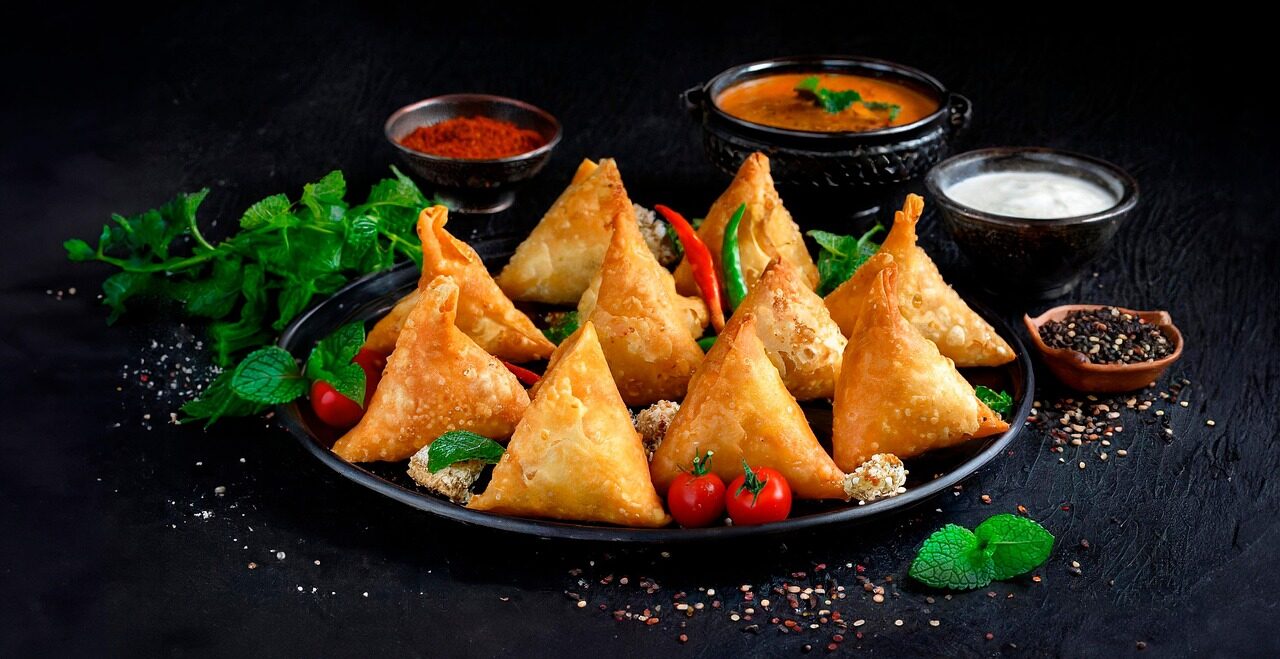
Samosa Chaat stands as the crown jewel of Indian street food in Canada. This popular street food combines crispy samosas with chole (chickpeas) and tangy, spicy sauces or chutneys. The dish represents the perfect harmony of textures and flavors that define authentic chaat.
Pani Puri has gained tremendous popularity among Canadian food enthusiasts. These crispy shells filled with spiced water, chutneys, and flavorful fillings offer an explosive taste experience that’s both refreshing and intensely flavorful.
Aloo Tikki Chaat combines crispy potato patties with yogurt, chutneys, and aromatic spices, creating a satisfying snack that appeals to both vegetarians and meat-eaters alike.
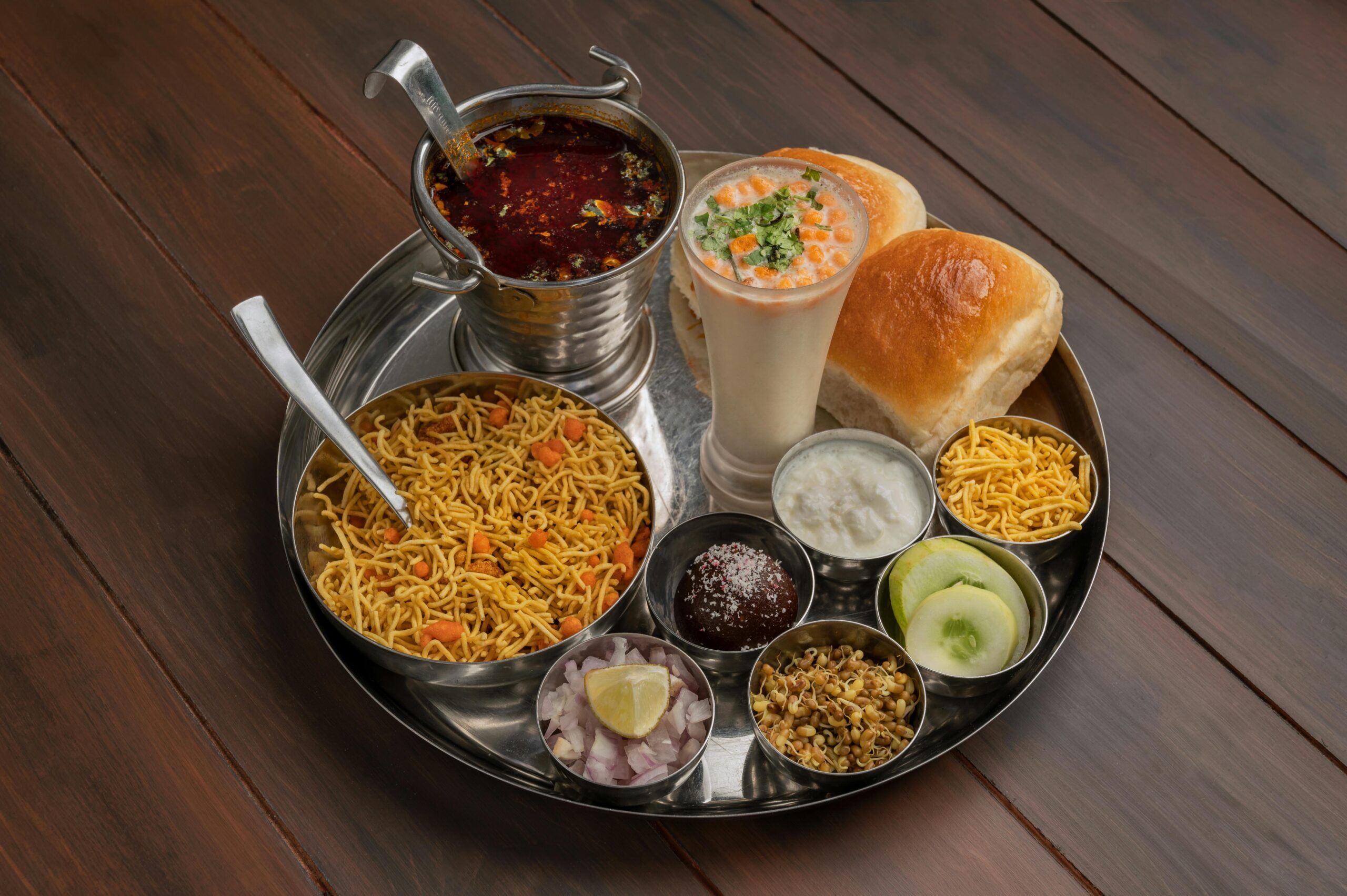
Bhel Puri offers a delightful mix of puffed rice, sev, vegetables, and tangy chutneys, providing a light yet satisfying option that’s perfect for Canada’s diverse climate preferences.
Regional Specialties Making Waves
Dahi Puri brings the cooling element of yogurt to balance the spicy flavors, making it particularly popular during Canada’s warmer months.
Ragda Patties combine spiced white pea curry with potato patties, offering a hearty option that resonates with Canadian appetites for substantial meals.
Papdi Chaat features crispy wafers topped with yogurt, chutneys, and spices, creating a dish that perfectly balances textures and temperatures.
The Canadian Twist: Fusion and Innovation
Canadian Indian street food vendors have brilliantly adapted traditional recipes to local tastes and ingredients. This fusion approach has created unique dishes that honor traditional flavors while incorporating Canadian elements.
Many establishments now offer “samosa sliders” that combine traditional samosa fillings with Canadian-style bread presentations. Similarly, “chaat poutine” has emerged as a creative fusion that adds Indian spices and chutneys to Canada’s beloved poutine, creating an entirely new category of comfort food.
The use of local Canadian ingredients like maple syrup in tamarind chutneys or incorporating Quebec cheese curds into chaat preparations showcases the innovative spirit of Canadian Indian street food culture.
Where to Find Authentic Indian Street Food Across Canada
Toronto: The Indian Street Food Capital
Toronto leads Canada’s Indian street food scene with its concentrated South Asian population and diverse food markets. Areas like Gerrard India Bazaar, Devon Avenue, and various food festivals throughout the city offer authentic street food experiences.
Vancouver: West Coast Flavors
Vancouver’s Indian street food scene combines traditional recipes with Pacific Northwest influences, creating unique preparations that incorporate local seafood and vegetables into classic chaat recipes.
Calgary and Edmonton: Prairie Innovation
Alberta’s Indian street food vendors have adapted recipes to incorporate local beef and game meats, creating fusion dishes that appeal to prairie palates while maintaining authentic spice profiles.
Montreal: Francophone Fusion
Montreal’s Indian street food scene uniquely blends French culinary techniques with traditional Indian street food, creating sophisticated presentations that maintain street food’s casual appeal.
Health and Nutritional Benefits
Indian street food offers numerous health benefits when prepared with quality ingredients. The extensive use of spices like turmeric, cumin, coriander, and ginger provides anti-inflammatory and digestive benefits. Many chaat preparations include legumes, providing excellent protein sources for vegetarian diets.
The fermented elements in many Indian street foods, such as the batters for dhokla or the preparation methods for certain chutneys, offer probiotic benefits that support digestive health.
Making Indian Street Food at Home
Creating authentic Indian street food at home requires understanding the balance of flavors that make chaat so appealing. The key lies in preparing various chutneys – tamarind for sweetness and tang, mint-coriander for freshness, and date-palm jaggery for depth.
Essential ingredients for home preparation include chaat masala, black salt, dried mint, and quality spices. Many Canadian grocery stores now stock these specialty ingredients, making home preparation more accessible than ever.
The Business of Indian Street Food in Canada
The Indian street food industry in Canada has grown significantly, with food trucks, casual dining restaurants, and specialized chaat houses opening across major cities. Canada’s fast food market, valued at US$ 26.39 billion in 2022, continues growing at a CAGR of 4.67%, with ethnic cuisines playing an increasingly important role.
Successful Indian street food businesses in Canada focus on maintaining authenticity while adapting to local regulations and preferences. Many have found success by offering customizable options that allow customers to adjust spice levels and ingredients according to their preferences.
Cultural Significance and Community Building
Indian street food in Canada serves as more than just cuisine – it’s a cultural bridge that connects generations and communities. First-generation immigrants use these flavors to maintain connections to their homeland, while second and third-generation Canadians discover their heritage through food.
Community festivals, cultural celebrations, and food markets featuring Indian street food have become important gathering places that strengthen cultural bonds while introducing Canadian neighbors to these rich traditions.
Tips for Street Food Enthusiasts
Start with Milder Options: If you’re new to Indian street food, begin with samosa chaat or aloo tikki chaat, which offer excellent introductions to the flavor profiles without overwhelming heat.
Embrace the Mess: Authentic street food is meant to be a hands-on experience. Don’t worry about perfect table manners – the joy is in the interactive eating experience.
Ask About Spice Levels: Canadian Indian street food vendors are accustomed to adjusting spice levels for different palates. Don’t hesitate to specify your heat preference.
Try Seasonal Specialties: Many vendors offer seasonal variations that incorporate local Canadian ingredients or adjust preparations for different weather conditions.
The Future of Indian Street Food in Canada
Traditional Indian street food dishes like Pani Puri, Samosa, and Momos are becoming increasingly popular across North America, and Canada is leading this trend. The future promises even more innovation as younger generations of Indian-Canadian chefs continue experimenting with fusion concepts while maintaining respect for traditional preparations.
Technology is also playing a role, with food delivery apps making authentic Indian street food more accessible to Canadians across the country, not just in major urban centers.
Conclusion
Indian street food in Canada represents a beautiful evolution of traditional cuisine adapting to new environments while maintaining its essential character. From authentic preparations that transport you to the streets of Delhi to innovative fusions that could only exist in Canada’s multicultural landscape, this cuisine continues to grow and evolve.
Whether you’re seeking the comfort of familiar flavors or the excitement of trying something completely new, Canada’s Indian street food scene offers endless opportunities for culinary adventure. The combination of authentic recipes, local ingredients, and innovative spirit ensures that this vibrant food culture will continue thriving across the country.
As you explore Canada’s Indian street food offerings, remember that each bite connects you to centuries of culinary tradition while celebrating the innovative spirit that makes Canadian cuisine so uniquely diverse and delicious.